A fire pit gathers people together, but the right lighting extends the glow beyond the flames and turns a backyard into something special after dark. Without intentional lighting, the area around your fire pit can fall into shadows, making it harder to navigate, socialize, or enjoy the space you’ve built. Good lighting layering, combining ambient, task, and accent sources, lets you control mood, visibility, and safety all at once. The following ideas range from simple plug-and-play options to more permanent installations, giving you flexibility whether you’re renting, budgeting tight, or planning a full outdoor renovation.
Table of Contents
ToggleKey Takeaways
- Layer multiple backyard fire pit lighting ideas—combining overhead strings, pathway lights, and uplights—to control mood, visibility, and safety simultaneously.
- String lights with Edison-style bistro bulbs are affordable and flexible; install them on sturdy anchor points with weather-rated, UL-listed cords buried 12 inches deep for safety compliance.
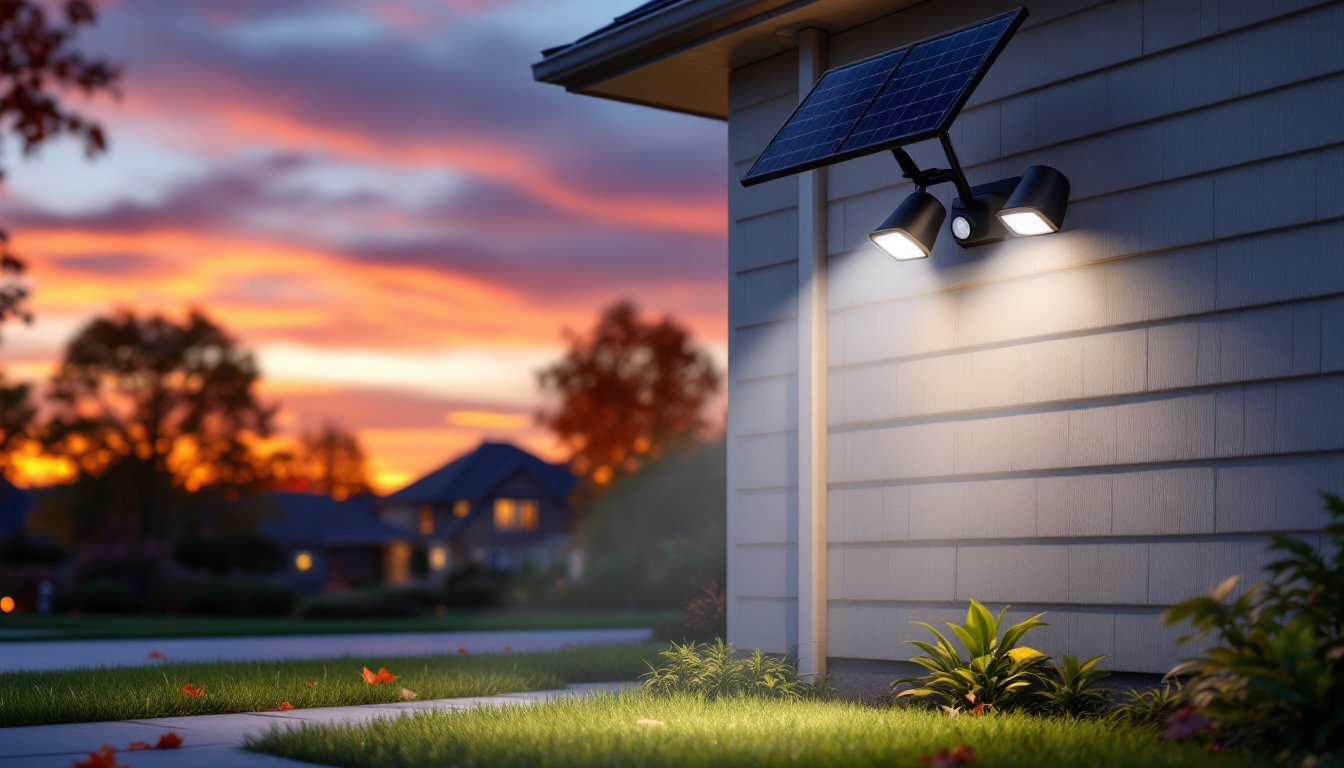
- Solar-powered pathway lights offer low-commitment guidance along walkways (spacing 6 to 8 feet apart), while low-voltage LED systems provide brighter, more reliable output for high-traffic areas.
- Tiki torches and portable lanterns add height and warmth without wiring; position torches at least 6 feet from seating and structures, and keep a fire extinguisher nearby for open-flame fixtures.
- In-ground uplighting and deck lights create visual drama by washing light across trees or architectural features at 30- to 45-degree angles, keeping the transformer within 100 feet to prevent voltage drop.
- Smart and color-changing outdoor lights allow app-controlled brightness and hues, while simple timers and photocells offer non-tech alternatives; always choose products rated for your climate’s temperature extremes.
String Lights and Bistro Bulbs for Overhead Ambiance
String lights are the workhorse of backyard lighting, affordable, flexible, and effective at filling empty air with warm overhead glow. Standard Edison-style bistro bulbs (often S14 or G40 bulbs) run on 120V plug-in strands or low-voltage setups, with bulbs spaced 12 to 24 inches apart. Plan for 10 to 15 watts per bulb if you want readable light: go lower for pure ambiance.
Installation requires anchor points: fence posts, pergola beams, or freestanding poles driven at least 18 inches into the ground with concrete footings for stability. Use galvanized steel eye hooks or cable guides rated for outdoor use to prevent sagging. For spans longer than 15 feet, run guy wires or add mid-span support poles, otherwise, the weight of the bulbs will pull the strand into a deep sag.
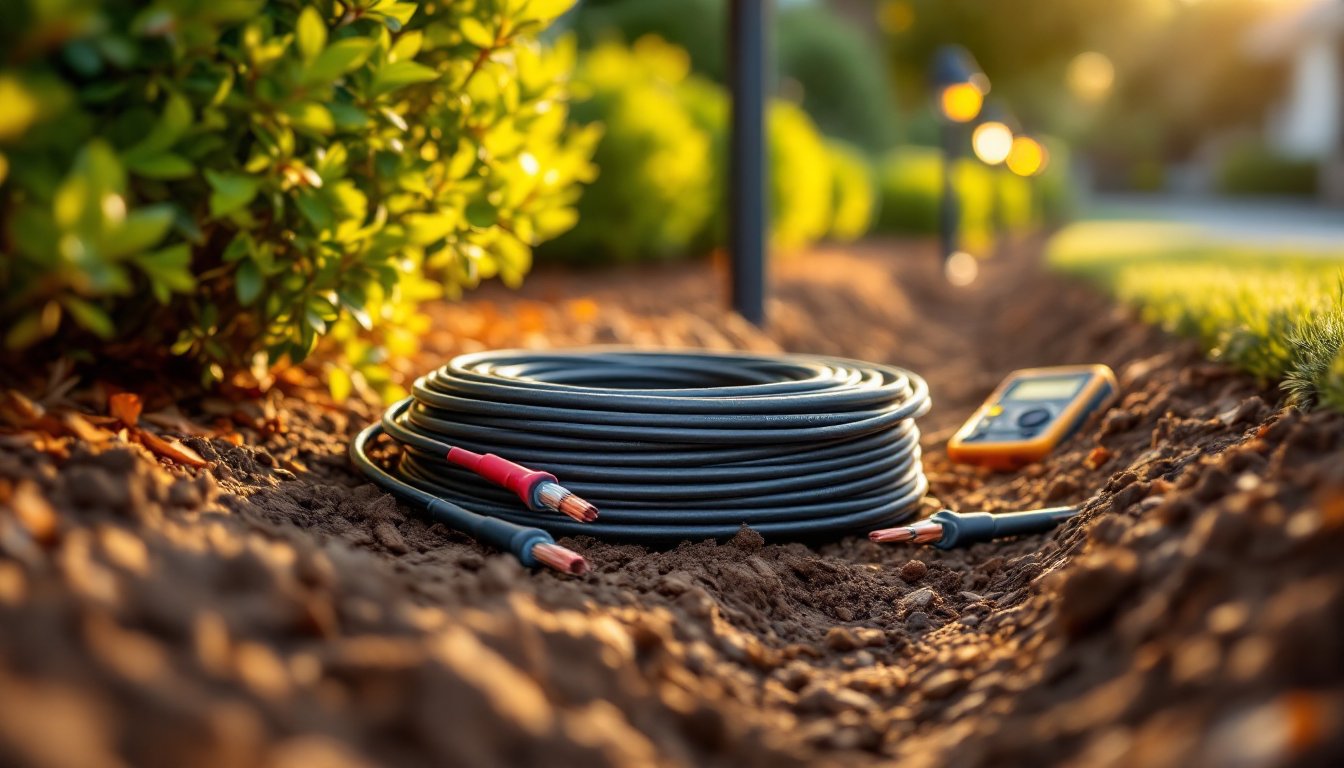
Weather-rated cords (UL-listed wet location) are non-negotiable. If you’re running power across the yard, bury cable in PVC conduit at least 12 inches deep to meet NEC requirements for low-voltage landscape wiring. Pair your string lights with outdoor track lighting on the perimeter for a more layered effect that highlights pathways while the overhead strings provide atmosphere.
Lanterns and Candles for Portable Warmth
Lanterns and candles bring warmth without wiring. Battery-powered LED lanterns run for 20+ hours on a set of D-cells and can be clustered on tabletops, hung from shepherd’s hooks, or placed along seat walls. Look for models with adjustable brightness and timers if you want them to turn off automatically after guests leave.
Real candles in hurricane glass or metal lanterns offer flicker and scent, but require attention. Use citronella candles in summer to keep mosquitoes at bay. If wind is an issue, opt for enclosed lanterns or pillar candles with a diameter of at least 3 inches, they hold up better than tapers.
For a semi-permanent setup, mount wall-mounted lantern brackets to fence posts or the side of a shed using 3-inch exterior screws into solid wood or masonry anchors. Space them 6 to 8 feet apart to create rhythm without overcrowding. Lanterns are ideal when working on small patio design where permanent fixtures might overwhelm the space, and you need the flexibility to rearrange as layouts change.
Solar-Powered and LED Pathway Lighting
Solar path lights are a low-commitment way to define walkways leading to and from the fire pit. Most models use a 0.5- to 2-watt solar panel and produce 5 to 15 lumens per fixture, enough for soft guidance, not task lighting. Expect runtime of 6 to 8 hours after a full day of sun, less in winter or shaded yards.
Installation is simple: push the stake into the ground, making sure the solar panel faces south (in the Northern Hemisphere) for maximum charge. Space lights 6 to 8 feet apart along curves or steps: closer spacing works for very dark areas. For better performance, clean the panel monthly and replace NiMH rechargeable batteries every 1 to 2 years.
If you want brighter, more reliable output, switch to low-voltage LED path lights wired to a transformer. A typical 12V system with a 100-watt transformer can power 15 to 20 fixtures depending on wattage. Bury the main cable 6 inches deep in a shallow trench and use waterproof wire connectors at each fixture. According to research on outdoor lighting schemes, layered pathway lighting dramatically improves both safety and visual interest after dark.
Tiki Torches and Flame Accents for a Tropical Vibe
Tiki torches add height, movement, and a tropical resort feel. Standard torches use citronella lamp oil or paraffin and burn for 4 to 6 hours per fill. Plant torches at least 6 feet away from seating, structures, and overhanging branches, and never place them on wooden decks without a fireproof base.
For a cleaner look, upgrade to propane or natural gas torches mounted on posts or tabletops. These connect to standard 20-pound propane tanks or can be plumbed into a home gas line (requires a licensed plumber and a permit in most jurisdictions). Flame height is adjustable, and there’s no smoky residue or wick maintenance.
Tabletop fire bowls filled with gel fuel or bioethanol offer a similar effect on a smaller scale. These are portable, don’t require venting, and can sit directly on a patio table as long as the surface is heat-resistant. Keep a Type B fire extinguisher nearby whenever you’re using open flame, and never refill fuel containers while they’re lit or still hot.
In-Ground and Landscape Uplighting
In-ground well lights create drama by washing light upward across tree trunks, stone walls, or architectural features near the fire pit. Most landscape uplights use 3- to 5-watt LED bulbs and connect to a 12V transformer. Position fixtures 12 to 24 inches from the object you’re lighting and aim the beam at a 30- to 45-degree angle for the best effect.
Installation involves digging a hole slightly larger than the fixture housing, setting the light level with the ground, and running 12- or 14-gauge landscape wire back to the transformer. Use a landscape lighting layout that keeps the transformer within 100 feet of the farthest fixture to avoid voltage drop, which dims bulbs and shortens lifespan.
Deck lights recessed into stair risers or post caps work similarly but require cutting 2- to 3-inch holes in wood or composite decking. Use fixtures rated for wet locations and seal all cuts with exterior caulk to prevent water intrusion. Most low-voltage systems pull less than 200 watts total, so they can share a GFCI outlet with other outdoor gear without overloading the circuit.
Smart and Color-Changing Outdoor Lights
Smart outdoor lights sync to apps or voice assistants, letting you control brightness, color, schedules, and scenes from your phone. Popular platforms (Philips Hue, LIFX, Govee) offer RGBW bulbs that shift from warm white to saturated colors, plus dimming and grouping features. Most require a hub or Wi-Fi bridge and a stable outdoor Wi-Fi signal.
Color-changing strips work well under benches, behind planters, or along pergola beams. These run on 12V or 24V DC power and are sold in reels of 16 to 50 feet. Cut strips only at designated copper pads, seal the ends with silicone, and use IP65-rated or higher products for outdoor exposure.
Programmable timers and photocell sensors are simpler, non-smart alternatives. A basic mechanical timer costs under $15 and plugs between your outlet and light strand: photocells turn lights on at dusk and off at dawn automatically. For winter entertaining or year-round use, choose lights rated for temperatures down to -20°F if you’re in a cold climate, cheaper models can crack or fail when frozen.
Conclusion
Lighting a fire pit area isn’t about brightness, it’s about layering sources that serve different roles. Overhead strings set the mood, pathway lights guide movement, uplights add depth, and portable lanterns fill in gaps. Start with one or two layers, test them in real conditions, and add more as you see what works. Every yard is different, so adjust placement, height, and intensity until the space feels both functional and inviting after dark.