A pergola offers shade, structure, and style to an outdoor space, but without proper lighting, it disappears after sunset. The right lighting turns a simple pergola into a nighttime gathering spot, extends the usable hours of your backyard, and can highlight architectural details most people overlook during installation. Whether the goal is ambient mood lighting for evening dinners or functional task lighting for grilling and prep work, the fixture choice matters as much as placement. This guide covers 15 practical pergola lighting ideas, grouped by style and function, with real considerations for installation, power sources, and weather resistance.
Table of Contents
ToggleKey Takeaways
- Pergola lighting ideas transform outdoor spaces from daytime shade structures into functional nighttime gathering spots while highlighting architectural details and extending usable hours well past sunset.
- String lights remain the most popular and affordable pergola lighting choice, offering soft ambiance when paired with pendant lights or LED strips for task lighting and layered design.
- Proper lighting installation requires weatherproof outlets, GFCI protection, and wet-rated fixtures on open pergolas, with structural verification needed before hanging heavy chandeliers or pendant lights.
- Solar-powered pergola lighting options eliminate wiring and trenching, making them ideal for freestanding structures and rental properties, though performance depends on sun exposure and seasonal variations.
- Layering multiple light sources—string lights for ambiance, pendants for dining, LED strips for accent, and lanterns for flexibility—creates the most effective and versatile outdoor living design.
- Strategic placement and dimmer-compatible LED bulbs (90+ CRI) ensure accurate food color rendering and allow brightness adjustment as daylight transitions to evening.
Why Pergola Lighting Transforms Your Outdoor Living Space
Lighting a pergola does more than prevent stubbed toes after dark. It defines zones within a yard, separates dining areas from lounging spots, and makes the structure itself a focal point rather than a shadow in the corner.
Functional benefits include extended use of outdoor spaces well past dusk, improved safety on steps or near poolside pergolas, and better visibility for cooking or serving food. Aesthetic benefits range from highlighting wood grain and joinery details to creating layered light that mimics indoor room design.
Most pergolas are open-rafter structures, which means wiring options differ from enclosed patio covers. Homeowners should verify whether existing outdoor electrical boxes are nearby and rated for wet locations (per NEC Article 406.9). If not, this may require a licensed electrician to install a GFCI-protected circuit. For freestanding pergolas far from the house, solar or battery-powered fixtures sidestep trenching and conduit runs.
Proper lighting also affects small patio design by making compact spaces feel larger through strategic uplighting and indirect sources that don’t create harsh shadows.
String Lights: The Classic Choice for Cozy Ambiance
String lights remain the most popular pergola lighting for good reason: they’re affordable, simple to install, and provide soft, diffused light that doesn’t overwhelm conversation or food.
Edison-style bulbs (typically E26 base, 40–60W equivalent LED) offer warm, amber tones and a vintage look. These work best on pergolas with darker stains or natural wood finishes. Globe string lights (often G40 or G50 bulbs) give a more playful, cafe-style vibe and suit modern or coastal pergola designs.
For installation, run the cable along the top beams (rafters) using cable staples or screw-in cup hooks spaced every 18–24 inches to prevent sagging. Avoid wrapping string lights around load-bearing posts unless the fixture is rated for outdoor use and the wrap won’t trap moisture against the wood, which accelerates rot.
Most outdoor string light sets are rated IP44 or higher for weather resistance, but check the plug and socket connections, these are failure points in wet climates. Use a weatherproof outdoor outlet box or a covered junction with a spring-loaded cover.
String lights don’t provide task lighting for detailed work, so pair them with directional fixtures if the pergola includes a grill station or prep counter.
Pendant Lights and Chandeliers for Elegant Outdoor Dining
Pendant lights and chandeliers bring the formality of indoor dining outdoors, especially over a fixed table or seating area. These fixtures work best on pergolas with solid top beams capable of supporting 15–30 lbs depending on the chandelier size.
Before installation, confirm the pergola’s structural capacity. Most 4×4 rafters on 16-inch centers can handle a single pendant or small chandelier, but heavier wrought-iron or multi-tier fixtures may require blocking between rafters or a metal mounting plate.
Wet-rated fixtures (not just damp-rated) are required for open pergolas exposed to rain. Wet-rated chandeliers typically use sealed canopies, gaskets around sockets, and corrosion-resistant finishes like powder-coated aluminum or marine-grade stainless steel.
Hang pendants 30–36 inches above the table surface to avoid head bumps while standing but low enough to create intimacy. For non-centered pergolas, use an adjustable downrod or swag hook to position the fixture over the dining zone rather than the geometric center of the structure.
Dimmer-compatible LED bulbs (90+ CRI recommended) render food colors accurately and allow brightness adjustment as daylight fades. Install a weather-resistant dimmer switch inside the house or use smart bulbs controllable via app.
LED Strip Lighting for Modern, Sleek Designs
LED strip lights offer hidden, architectural lighting that highlights pergola lines without visible bulbs or cords. These low-voltage systems (12V or 24V DC) install along the top of beams, under rafters, or inside routed grooves for a completely integrated look.
RGB color-changing strips let users shift from warm white for dinners to cool blue for pool parties, controlled via remote or smartphone. Single-color warm white strips (2700–3000K) provide consistent, natural light without the gimmick factor.
For outdoor installation, use IP65-rated or higher silicone-sealed strips. The cheap adhesive backing on budget strips fails in UV exposure and temperature swings, so secure the strip with aluminum mounting channels and stainless screws every 12–18 inches.
Power supplies and controllers must be housed in a weatherproof enclosure, many kits include only splash-resistant drivers, which aren’t sufficient for uncovered pergolas. Mount the transformer inside a NEMA-rated box or run low-voltage wiring from an interior controller.
LED strips excel at grazing textured surfaces (stone columns, decorative metalwork) and can be cut to exact lengths at marked intervals, reducing waste. For multi-zone pergolas, run separate strips on independent controllers to create layered scenes.
Solar-Powered Options for Eco-Friendly Illumination
Solar pergola lights eliminate the need for wiring, trenching, or electricians, making them ideal for freestanding structures or rental properties where permanent electrical work isn’t feasible.
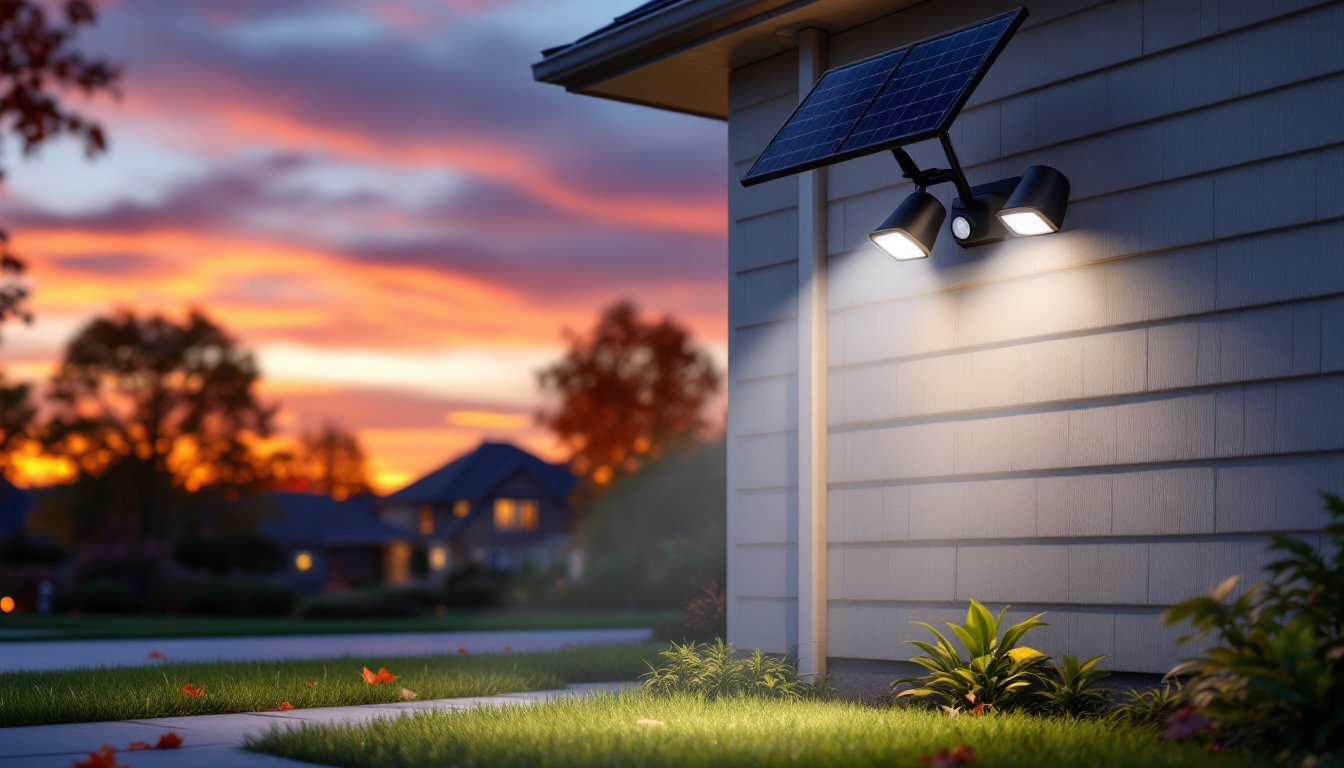
Solar string lights typically use integrated panels clipped to a rafter or mounted on the pergola roof. Charge time depends on panel size and sun exposure, most require 6–8 hours of direct sunlight for 6–10 hours of runtime. In shaded yards or northern climates, expect shorter performance.
Solar post cap lights fit atop 4×4 or 6×6 posts and provide subtle downlighting along the perimeter. These work best for pathway definition rather than ambient illumination. Look for caps with monocrystalline solar cells and replaceable rechargeable batteries (NiMH or Li-ion), cheap models use non-serviceable batteries that fail within two seasons.
Solar spotlights can be ground-mounted or clipped to beams to uplight pergola columns or nearby landscaping. Adjustable heads and separate panels on stakes allow flexible positioning even if the pergola itself is shaded.
Solar lighting struggles in consistently overcast regions or under dense tree canopies. Hybrid systems, solar during summer, plug-in during winter, offer a practical middle ground. Avoid solar fixtures with proprietary batteries: standard AA or 18650 cells are far easier to replace.
Many pergola enhancements pair well with solar options, especially when hardwiring isn’t practical for decorative accents.
Lanterns and Candles for a Warm, Romantic Glow
Lanterns and candles offer portable, no-wiring ambiance with the added benefit of adjustable placement. These work best as supplemental lighting rather than primary sources, layered with string lights or pendants.
Hanging lanterns can be suspended from rafter hooks using jute rope, metal chain, or stainless cable. Battery-operated LED lanterns with Edison-style filaments mimic real flame without fire risk or smoke, making them safer near fabric cushions or wood structures. For authentic flame, use citronella candles in hurricane glass or metal lanterns, these double as bug deterrents.
Tabletop lanterns range from Moroccan punched metal designs to minimalist frosted glass cylinders. Group odd numbers (3 or 5) at varying heights for visual interest. Flameless LED pillars with timers eliminate the need to light and extinguish candles manually.
Safety note: Never leave open flames unattended, especially under pergolas with fabric canopies or near overhanging plants. Keep a fire extinguisher rated for Class A fires within 20 feet of any outdoor fire feature, including candles.
For romantic dinners or evening gatherings, lanterns create intimate pools of light without the glare of overhead fixtures. Pair with dimmable ambient room lighting principles: multiple low-level sources beat a single bright bulb.
Lanterns also store easily during off-season months, unlike hardwired fixtures. This flexibility suits homeowners who prefer to change lighting themes seasonally or for special events. Consider adding hooks or a dedicated storage bin near the pergola for quick setup and teardown.
Conclusion
Pergola lighting extends outdoor living hours, highlights craftsmanship, and sets the mood for everything from weeknight dinners to weekend parties. The best approach layers multiple light sources, string lights for ambiance, pendants or strips for task lighting, and lanterns for flexibility. Consider power access, weather ratings, and structural capacity before purchasing fixtures, and don’t skip the weatherproof boxes or GFCI protection. With the right combination of lights, a pergola transforms from a daytime shade structure into a nighttime centerpiece.