Outdoor wall sconces do more than just light up your front porch, they set the tone for your entire home’s exterior, improve security, and make those late-night trips to the car a whole lot safer. Whether you’re replacing a tired old fixture or adding accent lighting to a newly landscaped walkway, choosing and installing the right sconce is easier than most homeowners think. This guide walks through everything from picking the right style and weather rating to running the wiring and keeping your fixtures looking sharp for years.
Table of Contents
ToggleKey Takeaways
- Outdoor lighting wall sconces improve safety, security, and curb appeal by providing targeted light at functional heights between 5 and 7 feet near doorways and walkways.
- Weather-resistant ratings (wet or damp-rated), sealed electrical boxes, and corrosion-resistant materials are essential for outdoor sconces to withstand rain, snow, UV exposure, and temperature changes.
- Scale your outdoor wall sconce to 1/4 to 1/3 the height of your door, mount it 66–72 inches from the floor, and choose lumens based on function—200–400 for ambient walkway lighting and 600–800 for task lighting at entries.
- LED bulbs are the standard for outdoor sconces, offering 25,000+ hour lifespans, minimal energy consumption, and better durability than incandescent bulbs.
- Proper installation requires turning off power at the breaker, matching wires carefully, sealing gaps with weatherproof caulk, and installing GFCI protection on outdoor circuits near water sources.
- Routine maintenance—including twice-yearly lens cleaning, annual gasket inspection, and sensor upkeep—keeps outdoor lighting fixtures performing reliably for a decade or more.
What Is an Outdoor Lighting Wall Sconce and Why Does It Matter?
An outdoor wall sconce is a light fixture mounted directly to an exterior wall, typically near doorways, garage entries, or along walkways. Unlike post lamps or in-ground path lights, sconces provide targeted downlight or ambient glow at a functional height, usually between 5 and 7 feet off the ground.
They serve three critical roles: safety, security, and curb appeal. A well-placed sconce lights up steps, doorways, and address numbers so guests (and delivery drivers) can find their way. Motion-activated or dusk-to-dawn models deter prowlers and help you spot hazards in the dark. And from a design standpoint, sconces frame your entryway and tie together architectural details like trim, siding, and stonework.
Unlike indoor fixtures, outdoor sconces must stand up to rain, snow, UV exposure, and temperature swings. That’s why wet-rated or damp-rated housings, sealed electrical boxes, and corrosion-resistant materials aren’t optional, they’re essential. Skimp on weather resistance, and you’ll be back on the ladder in six months replacing a rusted-out fixture.
Types of Outdoor Wall Sconces for Every Home Style
Outdoor sconces come in a range of styles, each suited to different architectural looks and functional needs.
Traditional lantern sconces feature glass panels, black or bronze finishes, and candelabra-style bulbs. They’re a natural fit for colonial, craftsman, and farmhouse exteriors. Look for models with clear seeded glass for a vintage vibe or frosted panels for softer light.
Modern and contemporary sconces use clean lines, geometric shapes, and finishes like brushed nickel, matte black, or powder-coated aluminum. Many include integrated LED modules that last 25,000+ hours and eliminate bulb changes. These work well on mid-century, minimalist, and urban homes.
Rustic and industrial sconces lean into materials like aged copper, galvanized steel, or wrought iron. Exposed Edison bulbs and barn-style shades add character to cabin-style homes, mountain retreats, or converted lofts. Just confirm the finish is sealed or powder-coated to prevent rust.
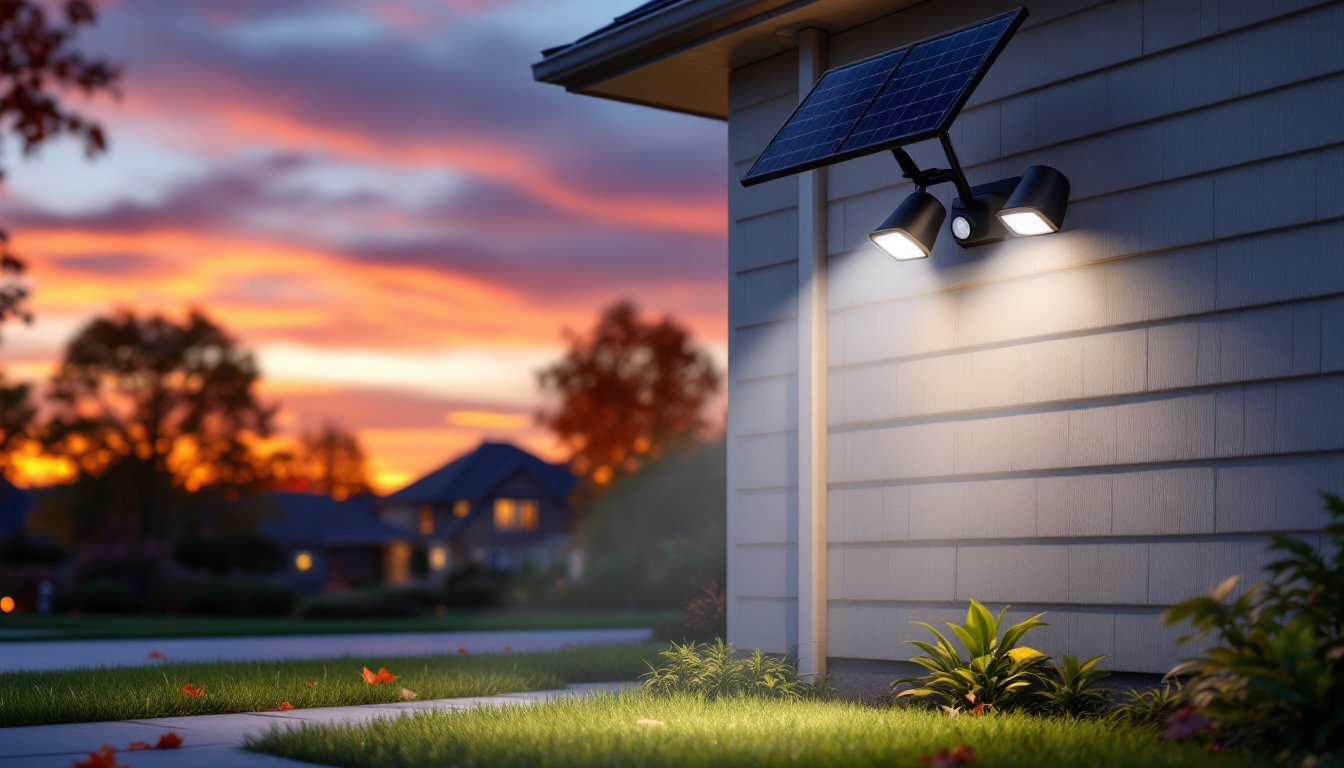
Smart and motion-sensing sconces integrate with home automation systems or operate independently via PIR (passive infrared) sensors. Some models from brands like Ring and Philips Hue offer app control, scheduling, and color temperature adjustment. These are ideal for tech-forward homeowners or anyone looking to boost security without hardwiring a separate motion floodlight. Many smart home lighting solutions now include outdoor wall sconces with app-based dimming and scheduling.
How to Choose the Right Outdoor Wall Sconce for Your Space
Weather Resistance and Durability Considerations
Before you fall in love with a design, check the UL wet location rating. Fixtures installed under covered porches or deep overhangs can use damp-rated sconces, but any spot exposed to direct rain, snow, or sprinkler spray needs a wet-rated fixture. The rating is stamped on the product label or listed in the spec sheet.
Material matters. Powder-coated aluminum resists corrosion and stays lightweight. Stainless steel handles coastal salt air better than most finishes. Solid brass develops a natural patina over time but costs more upfront. Avoid painted steel in humid climates unless the coating is industrial-grade.
Gaskets, sealed lens covers, and IP (Ingress Protection) ratings add another layer of defense. An IP65 rating means the fixture is dust-tight and can handle water jets, overkill for most homes, but reassuring if you live in a storm-prone area.
Size, Placement, and Lighting Output Guidelines
Scale your sconce to the door or wall it’s lighting. A general rule: the fixture height should be 1/4 to 1/3 the height of the door. For an 80-inch door, that’s a sconce between 20 and 27 inches tall. Go smaller on narrow sidelights or garage side doors.
Mount sconces 66 to 72 inches from the finished floor, about eye level. If you’re flanking a front door, space them symmetrically, 8 to 10 inches from the door casing. For a single sconce next to a side entry, place it on the latch side so the light falls across the lock.
Lumen output depends on the fixture’s role. For ambient accent lighting along a walkway, 200–400 lumens per sconce is plenty. For task lighting at an entry or garage, aim for 600–800 lumens. If you’re using a dimmer or smart bulb, start at the higher end, you can always dial it down. LED bulbs are the standard now: a 9-watt LED puts out roughly the same light as a 60-watt incandescent but lasts 15 times longer and pulls less than 1 amp on a 120V circuit.
Installing Your Outdoor Wall Sconce: A Step-by-Step Guide
Installing an outdoor sconce involves working with 120V household wiring, so take this seriously. If you’re not comfortable opening a breaker panel or testing for hot wires, hire a licensed electrician. Most jurisdictions require a permit for new exterior circuits or fixtures that replace a junction box.
Tools and materials:
- Screwdriver set (flathead and Phillips)
- Drill/driver and masonry bits (if mounting to brick or stucco)
- Wire strippers
- Non-contact voltage tester
- Silicone caulk (exterior-grade)
- Wire nuts and electrical tape
- Safety glasses and work gloves
Step-by-step installation:
- Shut off power at the breaker. Confirm it’s dead with a non-contact voltage tester at the existing fixture or junction box.
- Remove the old fixture (if replacing). Unscrew the mounting plate, disconnect wire nuts, and pull out the old wiring. Inspect the junction box, if it’s plastic and cracked, replace it with a metal outdoor-rated box before proceeding.
- Prep the mounting surface. If drilling new holes, use a masonry bit for brick or stucco and insert plastic anchors rated for outdoor use. For wood siding, locate a stud or use a backer block between siding and sheathing.
- Attach the mounting bracket to the junction box using the screws provided. Most sconces use a crossbar or circular pancake box adapter. Make sure it’s level, this is your only chance to get it right.
- Connect the wiring. Match black (hot) to black, white (neutral) to white, and bare copper or green (ground) to the ground screw on the box and fixture. Twist wire nuts clockwise until snug, then wrap the base with electrical tape. Tuck wires neatly into the box.
- Mount the sconce to the bracket. Most models use two screws or a threaded center post. Don’t overtighten, metal housings can warp and crack glass panels.
- Seal gaps around the mounting plate with a thin bead of clear silicone caulk. This keeps water from wicking behind the fixture and into the junction box.
- Restore power and test. If the light doesn’t turn on, recheck connections and confirm the switch is in the on position.
Pro tip: Run a bead of caulk along the top edge of the mounting plate only, leave the bottom open as a weep hole so any moisture that does get in can drain out.
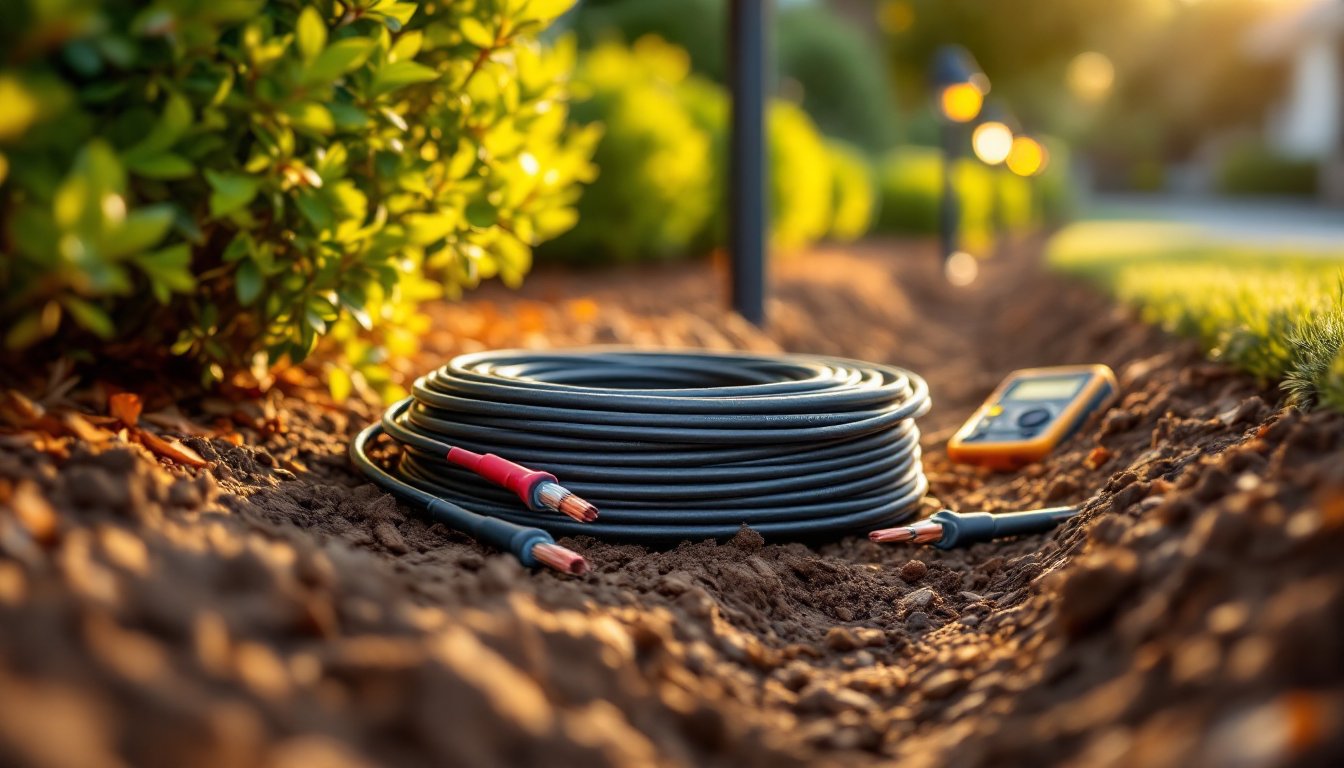
If you’re adding a sconce where none existed, you’ll need to run 14/2 or 12/2 NM-B cable (with ground) from an existing circuit or subpanel. This is a job for someone comfortable with load calculations and NEC Article 210 requirements. Outdoor circuits often require GFCI protection, especially near pools, spas, or within 6 feet of a water source. Much like adding outdoor track lighting, proper circuit planning ensures safe and reliable operation.
Maintenance Tips to Keep Your Outdoor Sconces Looking New
Outdoor fixtures take a beating, but a little routine care goes a long way.
Clean glass and lenses twice a year. Use a soft cloth and a mix of warm water and mild dish soap. Avoid ammonia-based cleaners on coated glass or acrylic panels, they can haze the surface. For stubborn bug residue or water spots, a 50/50 vinegar solution works without scratching.
Inspect gaskets and seals annually. Rubber and foam gaskets dry out over time, especially in full sun. If you see cracks or gaps, order replacement gaskets from the manufacturer or use weatherproof foam tape as a stopgap.
Check for corrosion at mounting points. Even powder-coated finishes can chip. Touch up bare metal with rust-inhibiting spray paint matched to the fixture finish. If corrosion has spread to the junction box, replace the box and re-seal.
Replace bulbs promptly. Leaving a dead bulb in place invites moisture into the socket. If you’re using incandescent or CFL bulbs, consider upgrading to LED, they handle temperature swings better and won’t shatter if a fixture gets bumped.
Trim vegetation. Overgrown shrubs and vines can trap moisture against the fixture and block light output. Keep at least 6 inches of clearance around sconces to allow airflow.
Test motion sensors and photocells. Dirt and spider webs can interfere with sensors. Wipe the sensor lens with a dry cloth every few months. If a dusk-to-dawn fixture stays on all day, the photocell may be shaded by a nearby object or failing, swap it out.
Similar maintenance practices apply to landscape lighting fixtures throughout your yard. Regular attention to connections and lenses keeps the whole system running smoothly. And if you’ve installed wall-mounted reading lamps indoors, you’ll recognize that the same cleaning and bulb-check routines translate across interior and exterior fixtures.
Outdoor sconces are one of the simplest upgrades that deliver immediate impact. With the right fixture, solid installation, and basic upkeep, they’ll light your home’s exterior reliably for a decade or more.