Outdoor lighting posts do more than just light up a pathway, they define boundaries, add curb appeal, and make outdoor spaces usable after dark. Whether someone’s navigating a front walk at dusk or highlighting a garden bed, the right lighting posts create safe, functional zones while adding architectural interest. These fixtures range from low-voltage path lights that hug the ground to statement lamp posts that anchor an entrance. But choosing the wrong style, lumens rating, or installation method can leave a yard looking like a mismatched showroom floor or, worse, a tripping hazard with dark patches. This guide walks through what works, what doesn’t, and how to install lighting posts that actually serve a purpose.
Table of Contents
ToggleKey Takeaways
- Outdoor lighting posts serve three critical functions—safety, security, and aesthetics—by reducing trip hazards, deterring intruders, and adding visual interest to your landscape.
- Choose between low-voltage systems (DIY-friendly, 12V or 24V, ideal for runs under 100 feet) and line-voltage posts (120V, brighter and more consistent but requiring a licensed electrician and potential permits).
- Path lights need 50–100 lumens, entrance posts require 200–400 lumens, and warm white color temperature (2700K–3000K) creates an inviting residential feel without harsh or clinical lighting.
- Invest in durable materials like die-cast aluminum, stainless steel, and fixtures rated IP65 or higher for wet locations to ensure your outdoor lighting posts last 15–20 years rather than deteriorating within five.
- Proper installation requires careful planning—mark needed light zones, measure distances, bury cable at appropriate depths (6 inches for low-voltage, 18–24 inches for line-voltage), and use weatherproof connectors to prevent corrosion.
- Twice-yearly maintenance—cleaning lenses, checking connections for corrosion, trimming vegetation, and tightening screws—keeps outdoor posts functional and prevents common issues like voltage drop, flickering, and water infiltration.
What Are Outdoor Lighting Posts and Why You Need Them
Outdoor lighting posts are vertical fixtures, typically ranging from 12 inches to 8 feet tall, that hold light sources above ground level to illuminate pathways, driveways, yards, and entryways. Unlike flush-mount fixtures or wall sconces, posts stand independently and often require in-ground mounting or a concrete footing.
They serve three primary functions: safety, security, and aesthetics. A well-lit path reduces trip hazards and makes navigating stairs or uneven terrain safer after dark. Motion-activated or dusk-to-dawn sensors on taller posts can deter trespassers by eliminating dark corners. And from a design standpoint, posts add vertical interest, they break up horizontal landscaping and create rhythm along a walkway or driveway.
Most residential outdoor posts use LED bulbs (5–15 watts typical) powered by low-voltage systems (12V or 24V) or standard 120V line voltage. Low-voltage systems are DIY-friendly and safer to work with, but they require a transformer and aren’t ideal for runs longer than 100 feet without voltage drop. Line voltage posts deliver brighter, more consistent light but often require a licensed electrician and sometimes a permit, depending on local electrical codes.
Ignoring outdoor lighting altogether leaves properties vulnerable to accidents and break-ins. Unlit steps are the leading cause of home exterior falls, and dark entryways signal an easy target. Adding posts isn’t just cosmetic, it’s a practical upgrade that pays off in safety and property value.
Types of Outdoor Lighting Posts for Every Landscape Style
Path and Walkway Lighting Posts
Path lights are the workhorses of landscape lighting. They’re typically 18 to 24 inches tall, designed to cast pools of light downward without glare. Most use 3–5 watt LEDs and space out every 8 to 10 feet along a walkway.
Materials matter. Cast aluminum and powder-coated steel hold up best in wet climates, while brass develops a natural patina over time. Plastic housings are budget-friendly but crack in freeze-thaw cycles. Look for fixtures with tempered glass or polycarbonate lenses, cheap acrylic yellows within a season.
For style, stake-mount posts work in informal gardens and mulched beds. They push directly into soil, making repositioning easy. Bollard-style posts (short, cylindrical fixtures) suit modern or minimalist landscapes and resist vandalism better than delicate stake lights. If the path curves, consider posts with 360-degree light distribution: straight runs can use directional fixtures to reduce light spill into neighboring yards.
One practical note: avoid solar path lights for primary walkways. They’re fine for accent lighting in flower beds, but most models don’t produce enough lumens (typically under 10 lumens) to safely illuminate a main path. A low-voltage wired system with a photocell timer is more reliable and brighter.
Driveway and Entrance Lamp Posts
Entrance posts make a statement. They range from 6 to 8 feet tall and often include decorative elements like lantern heads, finials, or coach-style fixtures. These are line-voltage installations (120V) in most cases, requiring a dedicated circuit and sometimes a ground-fault circuit interrupter (GFCI) if within six feet of a water source, per National Electrical Code (NEC) standards.
Post-mount lanterns are the classic choice. A 4×4 or 6×6 pressure-treated post set in concrete supports the fixture. The post should extend 36 to 42 inches below grade in cold climates to prevent frost heave. Run conduit from the house or a junction box, keeping wiring at least 18 inches deep (24 inches if not in conduit, per NEC Article 300.5).
For driveways, pillar lights or pier-mount fixtures anchor gate columns or retaining walls. These often use 15–20 watt LEDs and wider beam angles to cover vehicle turnaround areas. Choose fixtures rated for wet locations (UL Wet Rated), not just damp, exhaust moisture and rain will corrode cheaper housings within a year.
Style-wise, modern farmhouse designs favor black or matte bronze finishes with clear or seeded glass. Contemporary homes lean toward geometric aluminum posts with integrated LED strips. Traditional colonials look best with coach lanterns in black or oil-rubbed bronze. Whatever the style, the fixture head should sit 72 to 80 inches above grade to light faces without causing glare for drivers.
How to Choose the Right Outdoor Lighting Posts for Your Property
Start with a lighting plan, not a shopping cart. Walk the property at dusk and mark where light is needed, steps, walkway edges, dark corners near the garage. Measure distances between fixtures to calculate how many posts are required and estimate wire runs.
Lumens and color temperature drive functionality. For path lights, 50–100 lumens per fixture is adequate. Entrance posts need 200–400 lumens. Color temperature between 2700K and 3000K (warm white) feels inviting and doesn’t wash out skin tones. Anything above 4000K starts to look clinical and harsh for residential use.
Decide between low-voltage and line-voltage early. Low-voltage systems are forgiving, homeowners can install them without a permit in most jurisdictions, and a single 300-watt transformer can power 20–30 path lights. Line-voltage posts require electrical know-how and often need GFCI protection and proper burial depth for wiring. If the project involves more than a few fixtures or runs exceeding 100 feet, consult an electrician to avoid voltage drop and code violations.
Fixture durability separates a five-year install from a twenty-year one. Check for IP ratings, IP65 or higher for wet locations. Avoid fixtures with exposed screws on the lens: water infiltrates and fogs the glass. Die-cast aluminum and marine-grade stainless steel outlast thin-gauge sheet metal. If buying online, read reviews for real-world corrosion and wiring failures, not just aesthetic praise.
Finally, match the fixture scale to the landscape. Oversized lamp posts dwarf a narrow townhouse walkway, while dainty path lights disappear along a wide gravel driveway. Proportion matters as much as lumens.
Installation Guide: Setting Up Your Outdoor Lighting Posts
Safety first: Wear gloves, safety glasses, and work boots. If working with line voltage, turn off power at the breaker and use a non-contact voltage tester to confirm wires are dead.
Low-voltage path light installation (typical 12V system):
- Mount the transformer near an outdoor GFCI outlet, at least 12 inches above grade. Follow manufacturer specs for wire gauge, 12 AWG for runs under 100 feet, 10 AWG for longer distances.
- Lay out fixtures along the path. Space them 8–10 feet apart for even coverage, staggering them on alternating sides for a natural look.
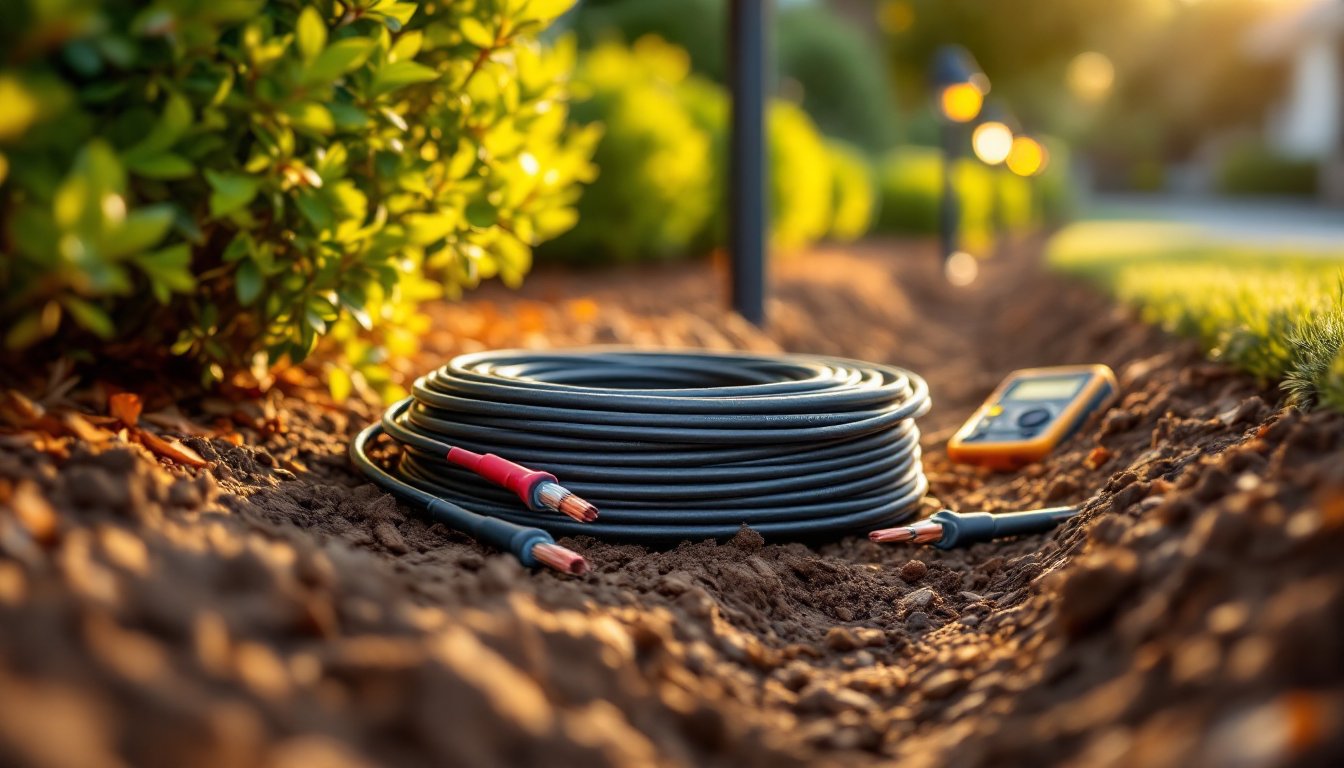
- Bury cable in a shallow trench (code allows as little as 6 inches for low-voltage, but 12 inches prevents accidental shovel strikes). Use direct-burial landscape cable, not indoor wire.
- Connect fixtures using waterproof connectors, most use pierce-point or twist-lock designs. Avoid wire nuts outdoors: moisture causes corrosion.
- Test the system before backfilling. Adjust fixture angles and check for dark spots.
- Backfill and mulch over the trench. Mark the cable route on a property sketch for future reference.
Line-voltage lamp post installation (120V):
- Dig a post hole at least 36 inches deep (deeper in frost zones) and 12 inches in diameter. For 4×4 posts, an auger or post-hole digger makes quick work.
- Run conduit from the house or a junction box. Use schedule 40 PVC or rigid metal conduit buried 18–24 inches deep per NEC guidelines. Include a pull elbow at the base of the post for wire access.
- Set the post in fast-setting concrete mix (one 50-pound bag per post is typical). Plumb the post with a level and brace it until concrete cures (2–4 hours for quick-set, 24 hours for standard mix).
- Pull wiring through the conduit, 14/2 or 12/2 UF-B cable for a dedicated 15A or 20A circuit. Leave 12 inches of slack inside the post for connections.
- Wire the fixture per manufacturer instructions, using wire nuts rated for outdoor use or terminal blocks. Attach a GFCI breaker at the panel if the circuit doesn’t already have one.
- Seal entry points with silicone caulk to prevent water intrusion.
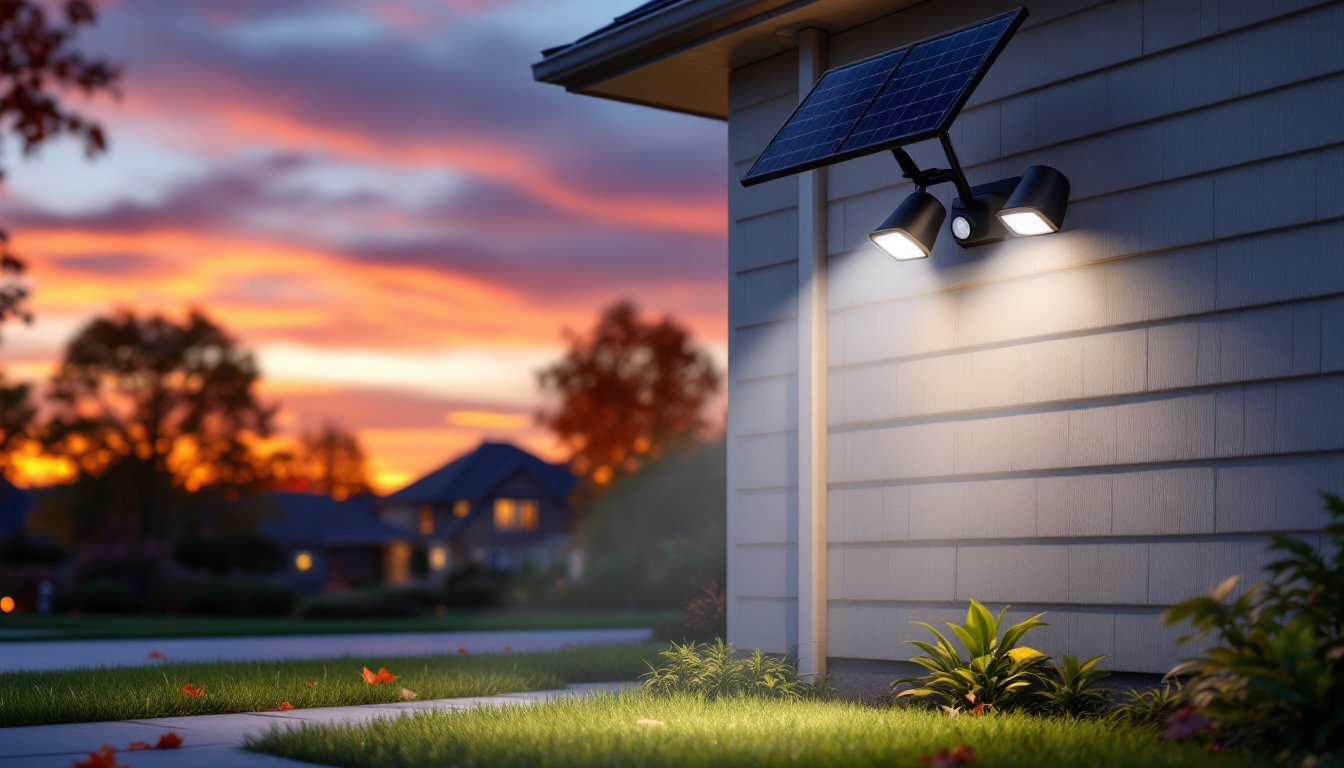
For both systems, adding outdoor track lighting in covered porches or eaves complements ground-level posts by layering light from above.
Maintaining and Troubleshooting Your Outdoor Lighting Posts
Outdoor posts take a beating, rain, snow, insects, and UV exposure all degrade components over time. Annual maintenance keeps them functional and extends lifespan.
Twice a year (spring and fall):
- Clean lenses with soapy water and a soft cloth. Dirt and pollen block up to 30% of light output.
- Check for corrosion on connections. Spray with dielectric grease or replace connectors if green oxidation appears.
- Trim vegetation around fixtures. Overgrown shrubs block light and trap moisture against housings.
- Tighten screws and replace missing gaskets. A $2 rubber washer prevents a $100 fixture replacement.
Common issues and fixes:
- Lights dim over time: Voltage drop from corroded connections or undersized wire. Test voltage at the farthest fixture, should read within 10% of transformer output. Upgrade wire gauge or add a second transformer.
- Flickering: Loose bulb, failing driver, or water in the socket. Remove the bulb, dry the socket, and apply dielectric grease to threads.
- Lights stay on/off: Faulty photocell or timer. Most photocells unscrew from the fixture base, replace with a matching model (check voltage and thread size).
- Cracked post or housing: Freeze-thaw damage from trapped water. Drill a small weep hole at the base of the housing to allow drainage, or replace with a better-sealed fixture.
For persistent electrical issues on line-voltage systems, call a licensed electrician. DIY troubleshooting stops at the breaker box, never open a panel without proper training.
Well-maintained outdoor lighting posts can last 15–20 years. Skimp on upkeep, and they’ll corrode, crack, or fail within five. It’s not glamorous work, but a clean lens and tight connection make the difference between a functioning system and a yard full of dark, expensive lawn ornaments.