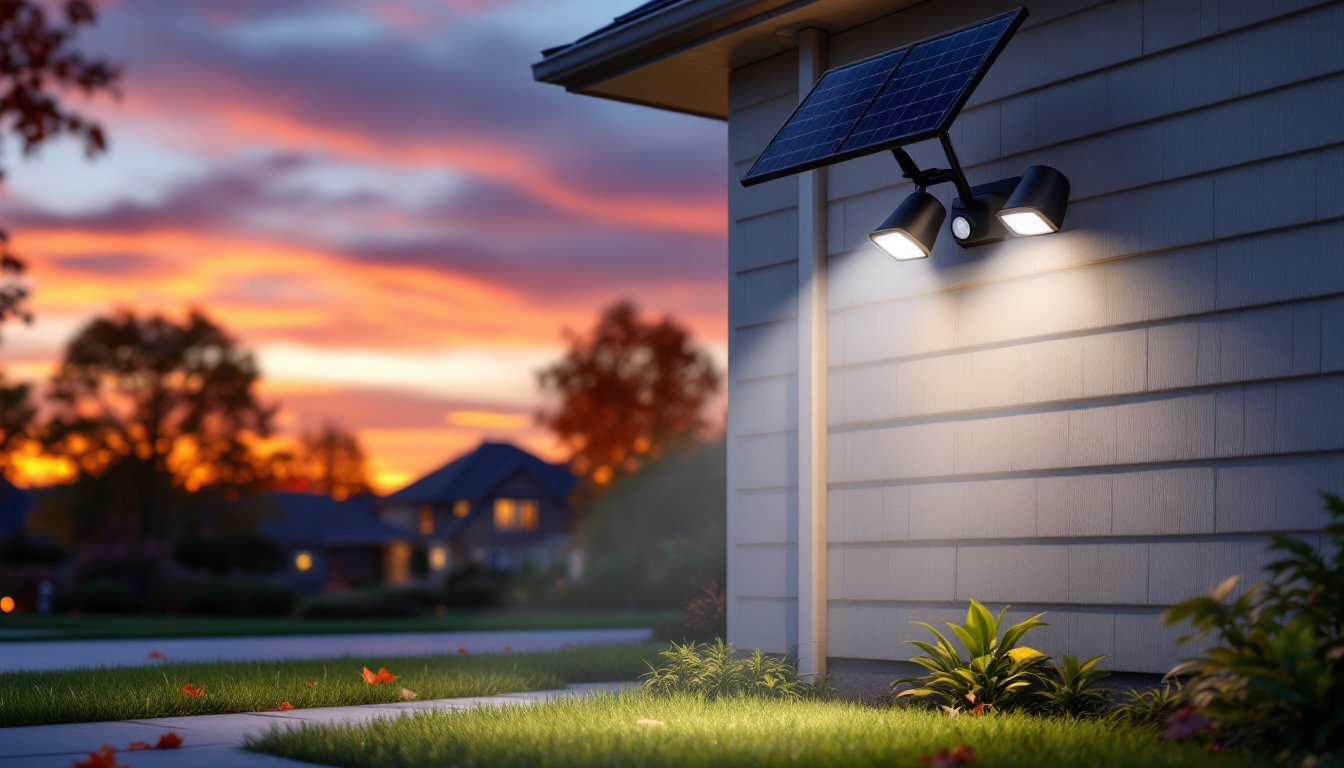
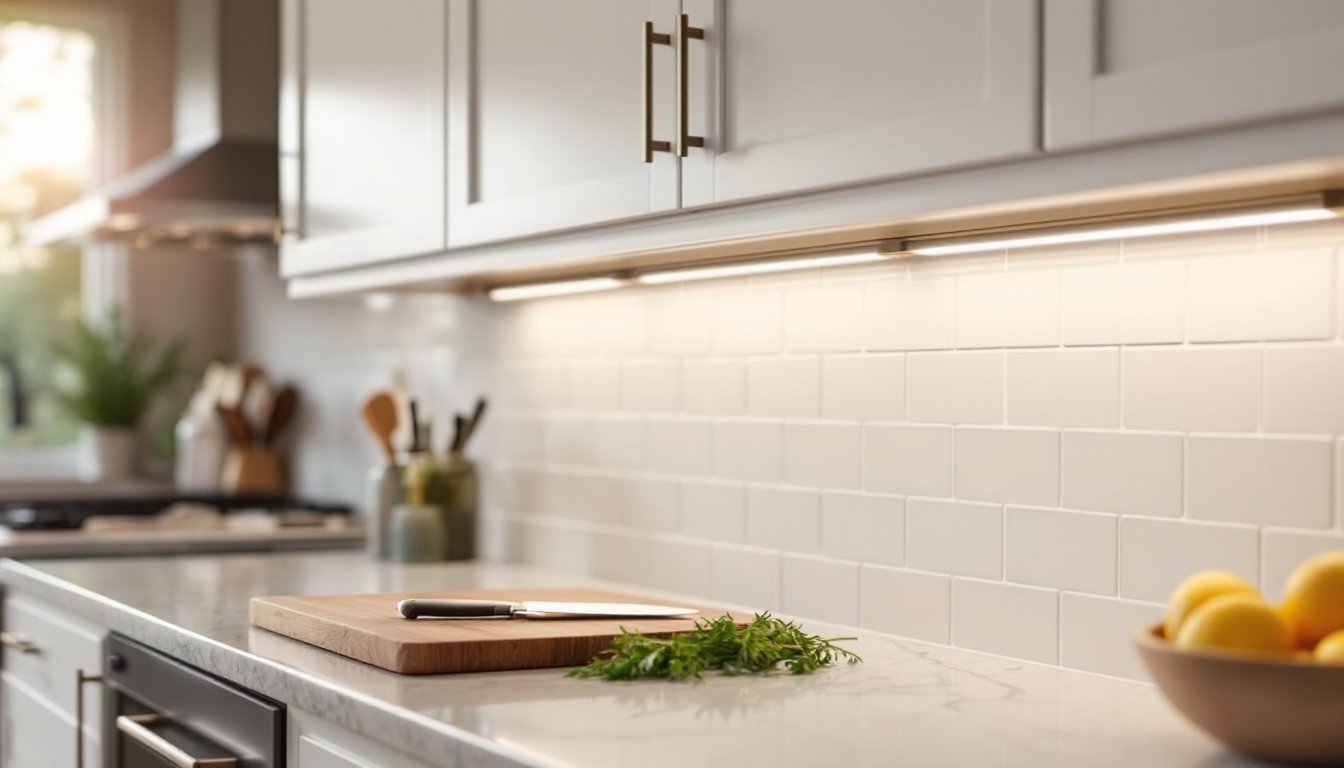
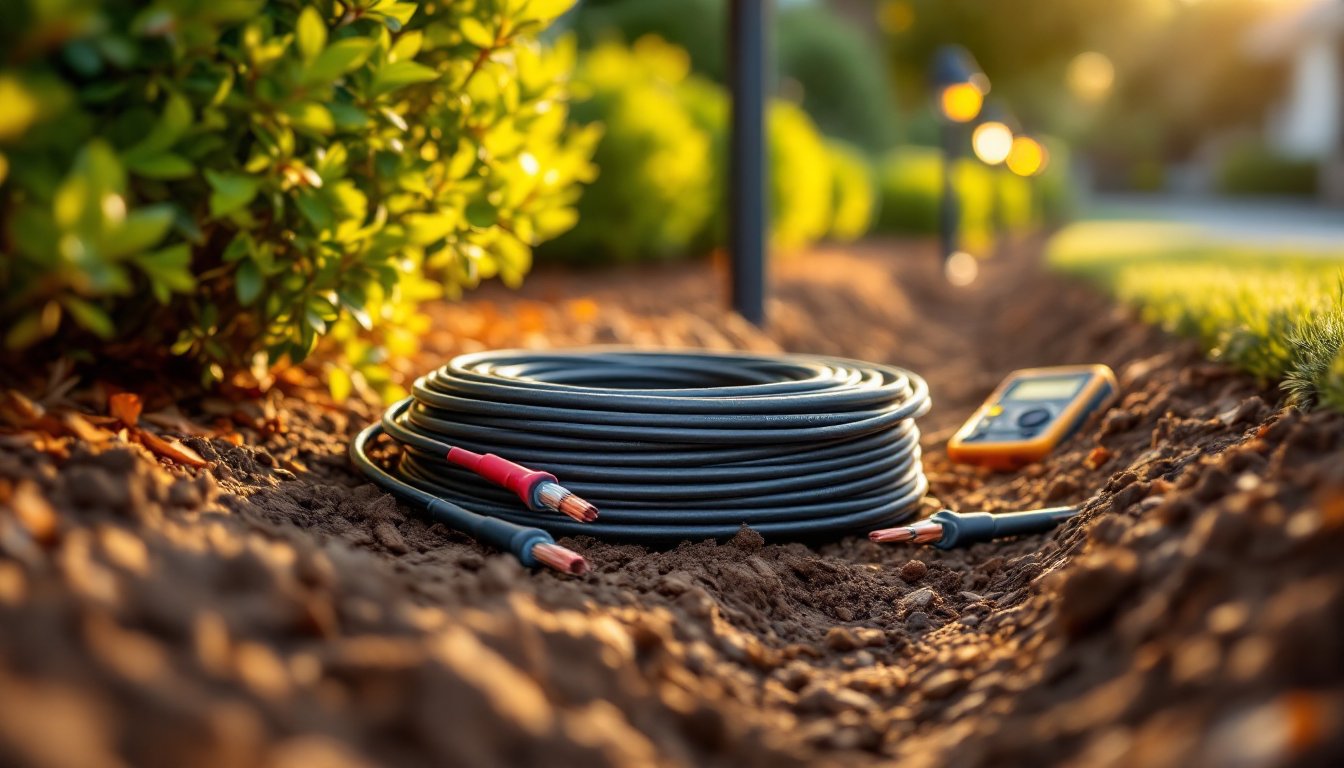
When the sun drops below the horizon, your deck, patio, or walkways don’t have to disappear into darkness. Outdoor canister lighting delivers focused, downward illumination that transforms exterior spaces from dim to functional, without flooding neighbors’ yards or creating harsh glare. These compact, recessed-style fixtures fit flush with surfaces or mount below soffits and eaves, casting clean pools of light exactly where they’re needed. Whether lighting a pathway for safety, highlighting architectural details, or extending usable evening hours on a porch, canister lights offer a low-profile solution that’s both practical and polished.
Table of Contents
ToggleKey Takeaways
- Outdoor canister lighting provides focused, downward illumination that enhances safety on pathways and stairs while maintaining a low-profile aesthetic that doesn’t compete with your home’s architecture.
- LED canister lights are energy-efficient, pulling only 7–12 watts with a 25,000-hour lifespan, saving hundreds of kilowatt-hours compared to older 50-watt halogen alternatives.
- Choose between recessed, surface-mount, and deck-post canister options based on your installation surface and retrofit needs, with lumen output ranging from 300–800 depending on the application.
- Verify wet-rated or damp-rated fixture ratings (IP65 for wet locations, IP44 for covered areas), color temperature (2700K–3000K for warm aesthetics, 3500K–4000K for security), and beam angle for optimal performance.
- Always obtain permits, comply with National Electrical Code Article 410, use GFCI protection, and hire a licensed electrician if unfamiliar with line-voltage outdoor electrical work.
- Annual lens cleaning, spring gasket inspections, and dielectric grease application at connection points prevent 20–30 percent light loss and extend fixture lifespan in coastal or salt-exposed environments.
What Is Outdoor Canister Lighting?
Outdoor canister lights, sometimes called recessed downlights or surface-mount canisters, are cylindrical or can-shaped fixtures designed to direct light downward in a controlled beam. Unlike floodlights that scatter illumination across wide areas, canisters produce tight, focused patterns ideal for pathways, steps, eaves, and covered outdoor ceilings.
They’re typically installed in one of three ways: recessed into a soffit or porch ceiling, surface-mounted to the underside of an overhang, or built into hardscape features like deck posts or retaining walls. Recessed models require a cutout and housing similar to indoor recessed lights, while surface-mount versions attach directly to a flat surface with minimal alteration.
Most outdoor canisters use LED lamps rated for wet or damp locations, depending on exposure. Wet-rated fixtures handle direct rain and snow: damp-rated units suit covered areas like porches. The housing, trim, and lens are built from corrosion-resistant materials, aluminum, powder-coated steel, or composite polymers, to withstand UV, moisture, and temperature swings.
Benefits of Installing Canister Lights Outdoors
Safety and visibility top the list. Canister lights illuminate stairs, grade changes, and pathways without creating puddles of glare that obscure obstacles. A 3-inch LED canister typically delivers 400–600 lumens, enough to light a 4- to 6-foot radius on a walkway without blinding anyone walking toward it.
Low-profile aesthetics make them nearly invisible during the day. Recessed canisters sit flush with ceilings: surface-mount models project only 2–4 inches. They don’t compete visually with architecture or landscaping, unlike bulky post lanterns or wall sconces.
Energy efficiency comes standard with LED integration. Most outdoor canister fixtures pull 7–12 watts while delivering light output equivalent to old 50-watt halogens. Over a 25,000-hour lifespan, roughly 10 years at 7 hours per night, that saves hundreds of kilowatt-hours.
Flexible placement opens creative possibilities. Install them under deck railings to light treads, beneath kitchen soffits to brighten outdoor prep areas, or along eaves to highlight columns and entryways. Pairing canister lights with outdoor track lighting can add adjustable accent illumination for gardens or facades.
Types of Outdoor Canister Lighting Fixtures
Recessed Canister Lights
Recessed canisters mount inside a ceiling cavity, typically a soffit, porch overhang, or covered patio. They require a housing can (the metal enclosure that sits in the ceiling) and a trim ring (the visible part). Look for IC-rated housings if insulation contacts the fixture, and airtight (AT) models to prevent conditioned air from escaping indoors.
Installation demands access above the ceiling or cutting into the soffit from below. Standard cutout diameters run 3, 4, or 6 inches. Many modern recessed LEDs use a single integrated module rather than replaceable bulbs, simplifying installation but requiring full fixture replacement at end-of-life.
Surface-Mount Canister Lights
Surface-mount canisters attach directly to a ceiling, soffit, or wall. They’re ideal for retrofit projects where cutting into a finished surface isn’t practical. The fixture body extends below the mounting plane, typically 2–4 inches, with a fixed or adjustable downlight angle.
These fixtures often feature swivel heads that tilt 20–40 degrees, letting you aim light at steps, planters, or seating areas. They mount with a junction box or surface-mount base plate: confirm the box is rated for outdoor use and secured to solid framing.
Step and Deck Canisters
Step lights and deck-post canisters install horizontally into risers, posts, or retaining walls. They cast light downward or forward to illuminate treads and grade changes. Most measure 2–3 inches in diameter and recess into a 2×6 or 4×4 post with a trim bezel flush to the surface.
These fixtures often run on low-voltage systems (12V or 24V) fed by a plug-in transformer, making them safer and easier to wire than line-voltage options. Many outdoor lighting collections now include path and accent fixtures that coordinate with canister styles for cohesive design.
Choosing the Right Outdoor Canister Lights for Your Home
Start with location rating. Wet-rated fixtures handle direct exposure to rain, snow, and hose spray: damp-rated units suit covered porches and soffits. Check the fixture label or spec sheet for IP (Ingress Protection) ratings, IP65 or higher for wet locations, IP44 for damp.
Lumen output depends on application. For pathways and stairs, aim for 300–500 lumens per fixture spaced 6–8 feet apart. Soffit downlighting over seating or prep areas benefits from 600–800 lumens to provide task-level brightness. Avoid over-lighting: too many lumens create harsh shadows and light trespass.
Color temperature affects mood and visibility. 2700K–3000K (warm white) mimics incandescent glow and blends with indoor lighting spilling outside. 3500K–4000K (neutral white) enhances visibility and works well for security-focused installations. Consistency matters, mixing color temps across fixtures looks unintentional.
Beam angle controls spread. Narrow beams (15–25 degrees) create focused pools: wide beams (40–60 degrees) cover more ground with softer transitions. Most outdoor canisters default to 35–50 degrees, a sweet spot for general downlighting.
Dimming and smart controls add flexibility. Not all LED canisters dim smoothly: verify compatibility with your dimmer type (TRIAC, ELV, or 0–10V). Many fixtures now integrate with smart-home systems, allowing schedules, motion sensing, and remote control via apps. Smart outdoor lighting options continue to expand as connected-home ecosystems mature.
Finish and material should match your home’s trim and climate. Powder-coated aluminum resists coastal corrosion better than bare steel: bronze and black finishes hide dirt and oxidation. Trim rings in white, bronze, or brushed nickel coordinate with existing exterior hardware.
Installation Tips for Outdoor Canister Lighting
Permits and codes come first. Most jurisdictions require a permit for new outdoor electrical circuits. All wiring must comply with the National Electrical Code (NEC) Article 410 for luminaires. Use wet-location-rated junction boxes and UF-B (underground feeder) cable or conduit for exposed runs. GFCI protection is mandatory for outdoor receptacles and often required for lighting circuits: check local amendments.
If you’re uncomfortable working with line voltage or unfamiliar with local codes, hire a licensed electrician. Outdoor electrical work carries shock and fire risk, this isn’t the place to learn by trial and error.
Layout and Spacing
- Map fixture locations on paper or with chalk. For pathway lighting, space canisters 6–8 feet apart in a staggered or linear pattern. For soffit downlighting, place fixtures 4–6 feet apart to avoid dark gaps.
- Avoid placing fixtures directly above doors or seating. Downlights cast harsh shadows on faces and create glare. Offset them 18–24 inches to the side.
- Account for roof pitch and overhang depth. Light aimed straight down from a deep soffit may miss the ground plane: angle-adjustable surface-mount fixtures solve this.
Recessed Installation
- Cut the opening using a hole saw matching the fixture’s cutout diameter. Drill from below if possible to control debris. Wear safety goggles and a dust mask.
- Run cable to the location. Secure romex or UF-B cable to framing with staples at least 8 inches from the box. Leave 6–8 inches of slack for connections.
- Install the housing can by attaching mounting clips to ceiling joists or using adjustable bars spanning between framing. Ensure the housing sits flush or slightly recessed.
- Make electrical connections inside the junction box: black to black (hot), white to white (neutral), and ground to ground or green screw. Use wire nuts rated for outdoor use and wrap with electrical tape.
- Attach the trim and lamp. Snap or screw the trim ring into the housing, then install the LED module or bulb per manufacturer instructions.
Surface-Mount Installation
- Mount the junction box to solid framing, never just to siding or sheathing. Use galvanized or stainless fasteners.
- Connect wiring as above, ensuring all connections sit inside the weatherproof box with a gasketed cover.
- Attach the fixture base to the box with provided screws, compressing any gasket to seal against moisture.
- Aim and lock the swivel head (if adjustable), then install the bulb or LED module.
Test before closing up. Flip the breaker and confirm each fixture illuminates. Check for flicker, which indicates a loose connection or incompatible dimmer.
Safety reminder: Always turn off power at the breaker before making connections. Use a non-contact voltage tester to confirm wires are dead. Wet conditions amplify shock risk.
Maintenance and Troubleshooting
Clean lenses annually. Pollen, dust, and insect debris reduce light output by 20–30 percent. Wipe lenses with a damp microfiber cloth: avoid abrasive cleaners that scratch polycarbonate or acrylic.
Inspect seals and gaskets each spring. Cracked or missing gaskets let moisture into the fixture, corroding sockets and shorting electronics. Replace gaskets before water intrusion damages the fixture.
Check for corrosion at mounting points and junction boxes. Coastal environments and areas with road salt accelerate oxidation. Apply dielectric grease to wire connections and replace rusted hardware with stainless steel.
LED failure is rare but happens. If a fixture goes dark, first confirm power at the breaker and test the switch. If power reaches the fixture but it won’t light, the driver or LED array may have failed. Integrated LED fixtures require full replacement: fixtures with replaceable lamps just need a new bulb.
Flickering usually indicates a dimmer compatibility issue or loose connection. Verify the dimmer is rated for LED loads and matches the fixture’s minimum wattage. Tighten all wire nuts and check for backstabbed connections, which loosen over time.
Water intrusion shows up as condensation inside the lens or visible moisture in the junction box. Turn off power immediately. Remove the fixture, dry all components, and inspect the gasket and box seal. If the driver got wet, replace the fixture, moisture damage is rarely repairable.
Conclusion
Outdoor canister lighting solves real problems, dark steps, dim pathways, and unusable evening spaces, without the bulk or glare of traditional fixtures. With wet-rated housings, LED efficiency, and flexible mounting options, these lights deliver focused illumination exactly where it’s needed. Plan carefully, respect electrical codes, and don’t skip the prep work. The result is an exterior that’s safer, more usable, and better-looking after dark.