Luxury recessed lighting isn’t just about adding more holes in the ceiling. It’s about creating atmosphere, highlighting architectural features, and integrating smart controls that respond to your life. While builder-grade canister lights get the job done, high-end fixtures use better optics, offer richer dimming curves, and last decades longer. This guide walks through what separates premium recessed lighting from the bargain-bin alternatives, which rooms benefit most, and how to install them for a showroom finish, without hiring an electrician unless code requires it.
Table of Contents
ToggleKey Takeaways
- Luxury recessed lighting differentiates itself through superior CRI ratings (90-98), precision beam control, flicker-free dimming to 1%, and smart integration—creating atmosphere and highlighting architecture far beyond builder-grade alternatives.
- High-end recessed lighting fixtures use die-cast aluminum housings with heat dissipation that extends LED lifespan to 50,000+ hours, paired with premium trims in brushed nickel, oil-rubbed bronze, or matte black that complement your overall design.
- Living rooms, kitchens, bathrooms, and home theaters see the greatest return on luxury recessed lighting investment, especially when layering ambient, task, and accent lighting with tunable white color temperatures (2700K to 5000K).
- Installation success requires careful layout planning (spacing fixtures 4-6 feet apart), using IC-rated airtight housings for energy efficiency, precise electrical connections, and dialing in dimmer low-end trim to ensure smooth, flicker-free performance at all levels.
- Luxury recessed lighting justifies its $75–$300+ per-fixture cost through decades-long lifespan, true color rendering for accurate makeup and artwork display, and design flexibility that eliminates the need for separate decorative fixtures when done intentionally.
What Makes Recessed Lighting ‘Luxury’?
Luxury recessed lighting comes down to four core differentiators: light quality, construction, dimming performance, and integration with control systems.
Light quality starts with the LED chip and driver. High-end fixtures use CRI (Color Rendering Index) ratings of 90 or above, often reaching CRI 95-98. This means colors look accurate, skin tones appear natural, artwork shows true hues, and white walls don’t look sickly green. Compare that to budget LEDs at CRI 80, which flatten colors and make everything look washed out.
Beam control matters just as much. Premium housings use precision reflectors or TIR (Total Internal Reflection) optics to shape light without spill or hot spots. You’ll see terms like wallwash, narrow spot, or adjustable gimbal. A luxury fixture gives you options: a cheap one just dumps light in a cone.
Dimming performance separates the pros from the pretenders. High-quality drivers dim smoothly from 100% down to 1% or lower without flickering, buzzing, or dropping out at 20%. Look for fixtures compatible with ELV (electronic low-voltage) dimmers or 0-10V commercial controls. Cheap LEDs might claim “dimmable,” but they strobe or cut out before you hit mood-lighting levels.
Finally, smart integration. Luxury lines often include built-in wireless controls, Lutron, Control4, or tunable white spectrum (2700K to 5000K) that shifts throughout the day. Some offer RGB+White for accent lighting. You’re not just turning lights on and off: you’re programming scenes.
Premium Materials and Finishes
The housing itself tells the story. High-end recessed lights use die-cast aluminum housings with powder-coated or anodized finishes, not stamped steel. Heat dissipation is better, which extends LED lifespan from 25,000 hours to 50,000+ hours.
Trim rings come in brushed nickel, oil-rubbed bronze, matte black, or even custom RAL colors. Some manufacturers offer flangeless trims that sit flush with the drywall, creating a seamless look favored by designers featured in high-end design publications. The trim isn’t an afterthought, it’s machined, weighted, and finished to match your hardware and fixtures.
Gaskets and seals matter for airtightness. Look for IC-rated (insulation contact) and airtight-rated housings if you’re serious about energy efficiency. Luxury fixtures often exceed Title 24 and Energy Star requirements without trying.
Best Rooms for Luxury Recessed Lighting
Not every room justifies the upgrade, but certain spaces benefit enormously from premium recessed lighting.
Living rooms top the list. A well-planned living room recessed lighting layout can layer ambient, task, and accent lighting without visible fixtures cluttering the ceiling. Use narrow spots to graze a feature wall or highlight art, wallwashers to soften corners, and tunable white to shift from bright (4000K) for daytime reading to warm (2700K) for evening.
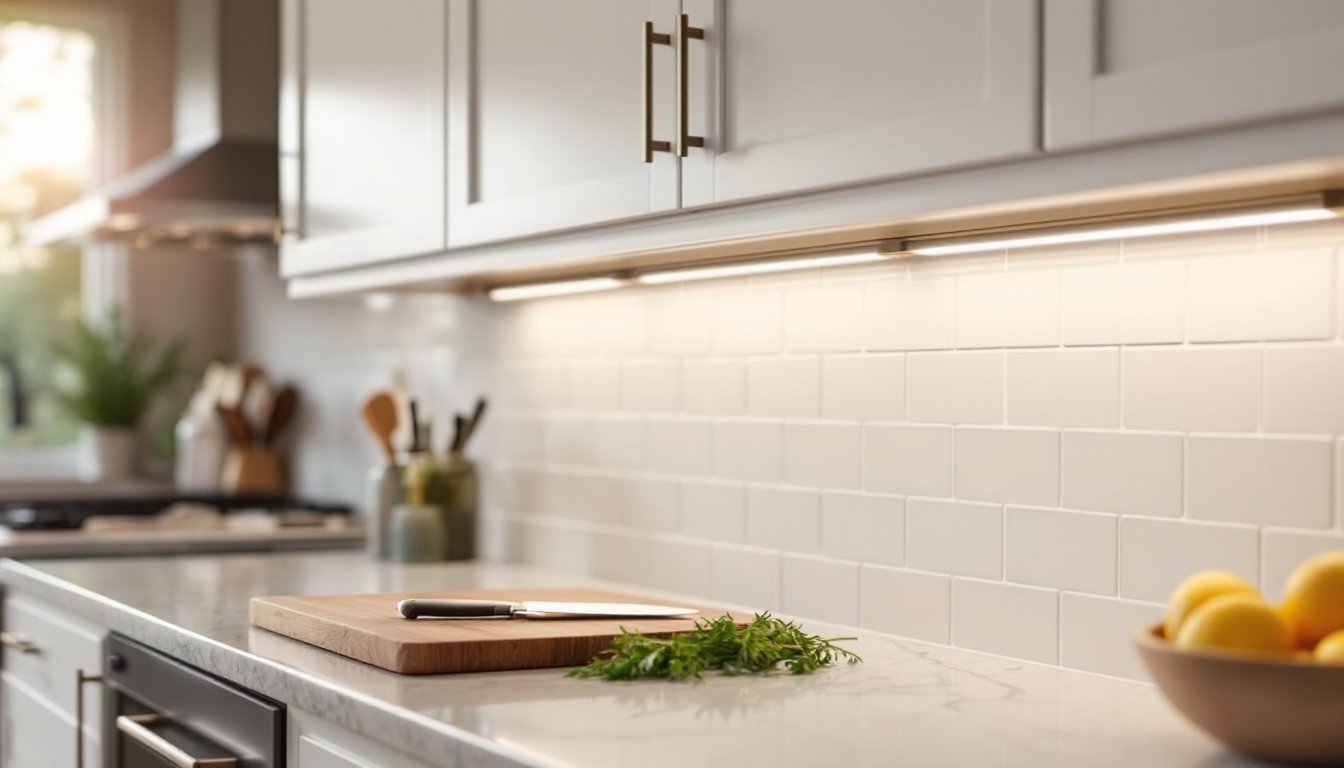
Kitchens demand high CRI and precise beam angles. Install luxury recessed lights over countertops, islands, and sinks. Pair them with under-cabinet strips for layered task lighting. Dimmable drivers let you dial down intensity after dinner without switching to a separate fixture.
Bathrooms, especially master baths, benefit from moisture-rated (wet or damp location) recessed lights with high CRI. You want to see true colors when applying makeup or shaving. Avoid the overhead glare: instead, position lights at the perimeter or in the shower ceiling (use IP65-rated housings for wet locations).
Hallways and entryways create first impressions. Luxury recessed lights with smooth dimming and warm color temperatures make long corridors feel welcoming instead of institutional. Use adjustable gimbals to accent niches, consoles, or architectural details.
Home theaters and media rooms need deep dimming and zero flicker. Some high-end fixtures offer blackout dimming that goes completely dark, which cheap LEDs can’t match. Consider RGB accent lighting behind screens or in soffits, many luxury lines integrate this without adding separate LED tape.
Top Features to Look for in High-End Recessed Lights
When shopping for luxury recessed lighting, prioritize these features:
CRI 90+: Non-negotiable for accurate color rendering. CRI 95-98 is the sweet spot for residential installations.
Tunable White or Full Spectrum: Adjust color temperature from warm (2700K) to cool (5000K) to match natural daylight cycles or activity. Some systems tie into circadian rhythm apps.
Deep, Flicker-Free Dimming: Look for drivers rated to dim to 1% or lower without visible flicker at any level. Compatibility with Lutron ELV or MLV dimmers is a good sign.
Adjustable Optics: Interchangeable reflectors, rotating gimbals (±30° tilt), or zoom lenses (15° to 60° beam spread) give you flexibility after installation. Fixed-beam budget lights lock you in.
Airtight and IC-Rated Housings: Prevents air leakage into attics (a major energy loss) and allows direct contact with insulation without fire risk. Many luxury fixtures carry ICAT (IC-rated airtight) certification.
Smart Control Integration: Native compatibility with Lutron Caséta, RadioRA, Control4, or Zigbee/Z-Wave hubs. Some premium lines include onboard Bluetooth or Wi-Fi, eliminating the need for separate smart bulbs.
Long Warranty: Quality manufacturers back their fixtures with 5- to 10-year warranties, sometimes longer. That confidence reflects better components and rigorous testing.
Lumen Maintenance: Premium LEDs maintain 90% of initial output after 50,000 hours (L90). Cheap LEDs fade faster (L70 at 25,000 hours), leaving you with dim, uneven lighting years before replacement.
Installation Tips for a Professional Finish
Installing luxury recessed lighting follows the same rough-in steps as standard cans, but finish details matter more.
1. Check codes and permits. Most jurisdictions require permits for new electrical circuits. Verify if your work requires a licensed electrician. In many areas, homeowners can install fixtures on existing circuits, but adding new circuits or working in wet locations often requires a pro.
2. Plan your layout carefully. Space fixtures 4 to 6 feet apart for general ambient lighting. For task or accent lighting, place them closer. Avoid placing recessed lights directly over seating areas where they’ll glare into eyes. Sketch your ceiling on graph paper and mark joist locations (use a stud finder or knock test). Most recessed housings fit between 16-inch on-center joists but verify clearances.
3. Use the right housing type. New construction housings nail directly to joists before drywall goes up. Remodel (old-work) housings use spring clips to grip finished ceilings. If you’re retrofitting, measure your ceiling cavity depth, luxury LED retrofit kits need only 2 to 4 inches of clearance, far less than old-school cans.
4. Run cable correctly. Use 14/2 or 12/2 NM-B (Romex) for branch circuits, depending on amperage. Follow NEC stapling requirements (within 8 inches of boxes, every 4.5 feet along runs). If you’re running cable through insulation, derate ampacity or use IC housings.
5. Make solid electrical connections. Strip wire to the length marked on the housing’s junction box (usually ½ inch). Use wire nuts rated for the gauge, or lever connectors (Wago-style) for foolproof connections. Tug-test every connection.
6. Seal and insulate. Once housings are in, caulk any gaps between the housing and drywall with fireblock or acoustic sealant. If the fixture isn’t airtight-rated, you’ll need to build a sealed box around it before insulating (check local code). With IC-rated airtight fixtures, blow insulation directly over them.
7. Install trims carefully. Luxury trims often use compression springs or magnetic mounts. Align them straight, crooked trims scream amateur. If using flangeless trims, cut drywall holes precisely to the template: a sloppy gap ruins the seamless effect. Some installers use a placement guide for living rooms to ensure even spacing and optimal coverage.
8. Dial in your dimmer. After powering up, adjust the dimmer’s low-end trim (most ELV dimmers have a small screw or slider). Set it so lights dim smoothly to the lowest level without cutting out or flickering. Test at multiple points on the curve.
Safety gear: Wear safety glasses when drilling into ceilings (debris falls into your eyes), a dust mask if working in insulated attics, and gloves when handling sharp housing edges. Always shut off power at the breaker and test with a non-contact voltage tester before touching wires.
Design Ideas: Creating Ambiance with Luxury Recessed Lighting
Luxury recessed lighting shines when used intentionally, not as a grid of identical fixtures.
Layer your lighting. Combine recessed ambient fixtures (wide flood beams) with adjustable accent lights (narrow spots) and decorative pendants or sconces. Recessed lights provide the foundation: other fixtures add character. Many curated kitchen remodels showcase this layered approach.
Highlight architecture. Use wallwashers to graze textured walls, stone fireplaces, or wood paneling. The angled light reveals texture and depth. Adjustable gimbals let you spotlight built-in shelving, art niches, or floating stairs.
Create zones. In open-plan spaces, control different zones independently. Dim the kitchen after dinner while keeping task lighting bright over the island. Use tunable white to warm up seating areas while maintaining cooler light in work zones.
Mood scenes. Program scenes for different times or activities, “Morning” at 4000K and 80%, “Dinner” at 2700K and 40%, “Movie” at 2200K and 5%. High-end control systems make this effortless.
Outdoor extensions. Many luxury lines offer matching exterior recessed fixtures for soffits, covered patios, or entry overhangs. Wet-rated housings with the same trim style and color temp create visual continuity from inside to out.
Avoid common mistakes: Don’t over-light. Too many fixtures flatten a room and waste energy. Don’t space fixtures in a rigid grid: stagger them slightly for a more organic feel. And don’t forget about glare, recessed lights should illuminate surfaces, not blast directly into sight lines. Top interior designers emphasize restraint and intention over sheer fixture count.
Conclusion
Luxury recessed lighting transforms how a space feels and functions. The upfront cost, $75 to $300+ per fixture versus $15 for builder-grade, buys you better color rendering, smoother dimming, longer life, and design flexibility that cheap alternatives can’t match. Plan your layout with purpose, install with precision, and pair quality fixtures with quality controls. The result is lighting that doesn’t just illuminate, it enhances.