A deck without lighting is like a party that ends at sunset. The right lighting extends usable hours, improves safety, and transforms a plain outdoor platform into an inviting retreat. Whether you’re grilling after dark, hosting evening gatherings, or simply enjoying a quiet night outside, strategic lighting makes all the difference. This guide walks through proven deck lighting designs, complete with visual inspiration, covering recessed fixtures, post caps, string lights, step illumination, and power source options to help you choose the setup that fits your deck’s layout, your budget, and your skill level.
Table of Contents
ToggleKey Takeaways
- Strategic deck lighting improves safety, extends usable evening hours, and transforms outdoor spaces into inviting living areas for dining, entertaining, and relaxation.
- Layer your deck lighting with three types—task lighting for cooking zones, safety lighting for stairs and edges, and ambient lighting for atmosphere—to balance function with visual appeal.
- Recessed deck lights, post caps, string lights, and step lights each serve distinct purposes; recessed and step lights prioritize safety, while string lights add warmth and ambiance.
- Solar fixtures offer wireless, permit-free installation but provide limited output (5–30 lumens), making them ideal for accent lighting; low-voltage (12V) systems deliver brighter, reliable performance for primary illumination and require a transformer and wiring.
- Always use GFCI-protected circuits for outdoor deck lighting within 6 feet of grade level, follow IRC safety codes for stair illumination, and consider a hybrid approach combining solar and low-voltage fixtures to balance ease with reliability.
Why Deck Lighting Matters for Your Outdoor Living Space
Deck lighting serves three core functions: safety, usability, and aesthetics. Poorly lit stairs and railings are trip hazards, especially after dark. According to the International Residential Code (IRC), exterior stairs serving decks and porches should have adequate illumination at landings and treads, though specific lux requirements vary by jurisdiction.
Beyond code compliance, lighting extends your deck’s functional hours. A well-lit deck becomes a de facto outdoor room, supporting everything from weeknight dinners to weekend entertaining. And aesthetically, layered lighting, combining task, accent, and ambient sources, adds depth and visual interest that a single overhead flood can’t match.
Think of deck lighting as three layers: task lighting for cooking and dining zones, safety lighting for stairs and edges, and ambient lighting for general atmosphere. Balancing these creates a deck that’s both practical and inviting. Many homeowners underestimate the impact of even a few strategically placed fixtures: the difference between a dark deck and a thoughtfully lit one is immediate and striking, as numerous design examples illustrate.
Recessed Deck Lighting for a Sleek, Modern Look
Recessed deck lights mount flush with decking boards or risers, delivering illumination without protruding hardware. They’re ideal for minimalist designs and high-traffic areas where surface-mounted fixtures might get kicked or stepped on.
Most recessed deck lights are low-voltage (12V) LED units, typically drawing 1–3 watts per fixture. They install into a 1.5- to 2-inch diameter hole drilled through the decking or riser face. Wire routing happens underneath the deck, connecting back to a transformer. Spacing recommendations vary, but 4 to 6 feet apart along deck perimeters or stair risers provides even coverage without hot spots.
Installation tips:
- Drill pilot holes from the top to avoid tear-out on the underside of composite or hardwood decking.
- Use a hole saw with a carbide-tipped edge for composite materials: standard wood bits work for pressure-treated lumber.
- Check joist and blocking locations before drilling, you don’t want to hit structural framing.
- Run wiring through conduit or use direct-burial rated cable if it’s exposed to moisture underneath the deck.
Recessed lights work especially well in composite or PVC decking, where the material thickness (typically 1 to 1.5 inches) accommodates the fixture depth. For thinner boards, surface-mount puck lights are a better alternative. Keep in mind that recessed fixtures require access from below for maintenance, so factor that in if your deck sits close to the ground.
Similar principles apply when planning living room recessed lighting layouts, where fixture spacing and placement drive both function and visual balance.
Post Cap and Railing Lights for Safety and Style
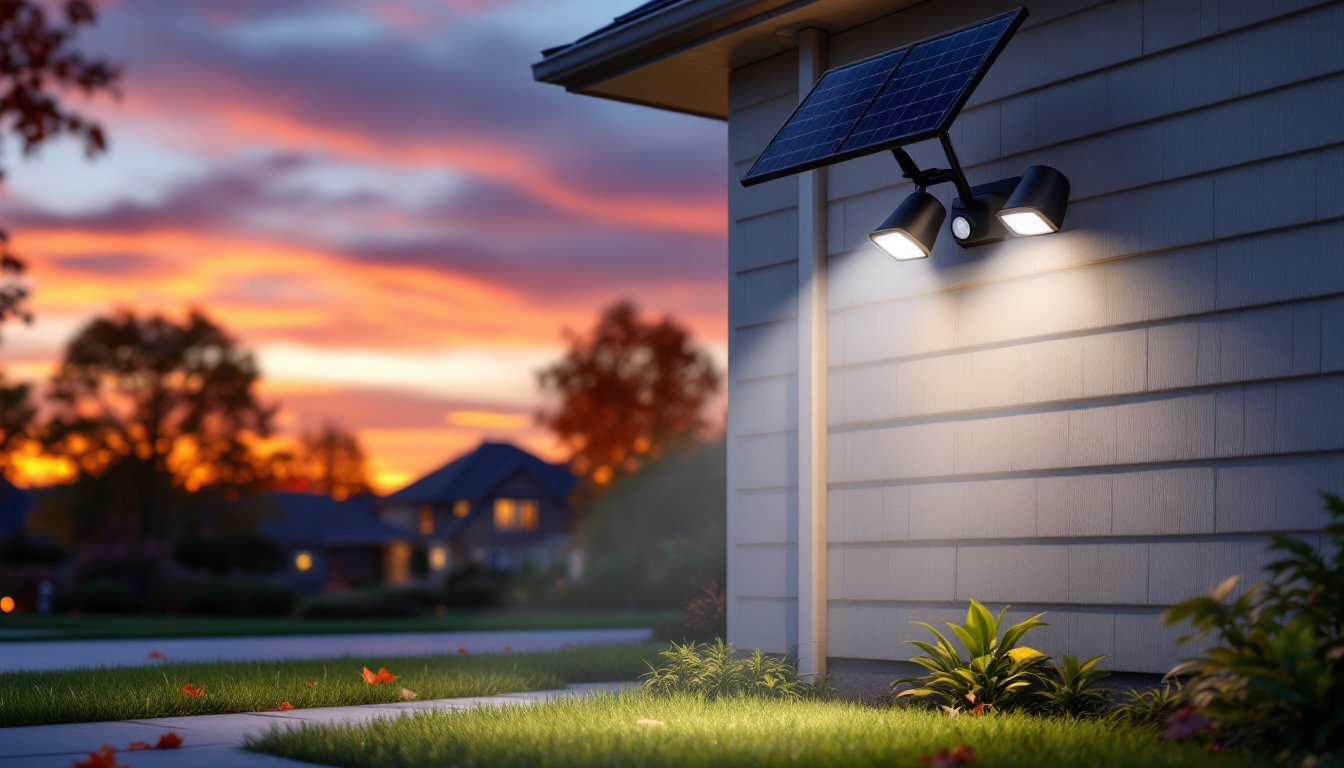
Post cap lights sit atop deck posts, typically 4×4 or 6×6 nominal (actual dimensions 3.5×3.5 or 5.5×5.5 inches), and provide downward or omni-directional light. They’re one of the easiest lighting upgrades for existing decks, since most require no wiring: solar-powered versions use integrated photovoltaic panels and rechargeable batteries.
Railing lights mount along the underside or top rail, illuminating walkways and creating visual continuity. Low-voltage railing kits often include lengths of LED strip or individual puck lights spaced every 2 to 4 feet.
Key considerations:
- Solar post caps: No wiring, easy retrofit, but light output is limited (typically 5–15 lumens per fixture). Best for accent lighting, not primary illumination.
- Low-voltage post caps: Brighter output (30–100 lumens), requires transformer and wiring, but more reliable in shaded or overcast conditions.
- Material compatibility: Metal post caps suit wood or composite posts: plastic caps are lighter but less durable in freeze-thaw cycles.
For installation, most post caps simply slip over the post top and secure with screws or adhesive. Wired versions require drilling a small channel (usually ½ inch diameter) down through the post to route cable to a junction box below. If you’re building a new deck, run wiring before installing decking boards, it’s exponentially easier than retrofitting.
Post cap lights also serve as code-compliant markers for deck boundaries, reducing trip hazards at transitions. In some jurisdictions, IRC R311.7.8 requires illumination at the top landing of exterior stairs: post caps at the stair entry point satisfy this requirement. Incorporating landscape lighting around the deck perimeter extends the visual theme and improves yard navigation.
String and Bistro Lights for Ambient Outdoor Ambiance
String lights (also called café or bistro lights) hang overhead, casting soft, diffused light ideal for dining and entertaining zones. They’re the fastest way to add warmth and character to a deck, and installation rarely requires permits or electrical work if you use plug-in versions.
Standard Edison-style bulbs (S14 or G40 size) run on 120V AC and plug into a standard GFCI-protected outlet. LED versions draw 0.5 to 1 watt per bulb, so a 25-foot strand with 12 bulbs uses roughly 6 to 12 watts total, negligible impact on your electric bill. Incandescent bulbs use 5 to 11 watts each and burn hotter, which matters in enclosed or low-clearance situations.
Mounting options:
- Posts and beams: Screw in eye hooks or guide wire brackets along deck posts or overhead beams. Space hooks every 8 to 10 feet to prevent excessive sag.
- Freestanding poles: If your deck lacks overhead structure, use steel or wood posts planted in concrete footings just outside the deck perimeter.
- Tensioned guide wire: Run vinyl-coated steel cable (typically 1/8-inch diameter) between posts and clip string lights to the cable. This approach keeps wires taut and allows easy removal for winter storage.
For weather resistance, look for wet-rated or damp-rated fixtures (UL listings matter here). Wet-rated strings handle direct rain: damp-rated work under covered overhangs. Don’t use indoor-only strings outside, they’ll fail quickly and pose shock hazards.
String lights excel at creating ambient outdoor ambiance, and they pair well with other fixture types for layered lighting. They’re also one of the few lighting options renters can install without landlord approval, since they require no permanent modifications.
Under-Railing and Step Lights for Enhanced Safety
Step lights and under-railing strips address the most common outdoor safety hazard: poorly lit stairs and transitions. The IRC recommends illuminating stair treads and landings to at least 1 footcandle (roughly 10 lux), though enforcement varies. Even if code doesn’t mandate it, well-lit stairs prevent trips and falls.
Step light placement:
- Mount fixtures on riser faces, centered horizontally, one per tread. For stairs wider than 4 feet, consider two fixtures per riser to eliminate dark corners.
- Recessed step lights install the same way as deck board recesses, drill, route wire, snap in the fixture.
- Surface-mount options (puck lights or low-profile wedges) attach with screws and work well on finished stairs where drilling isn’t practical.
Under-railing LED strips:
These flexible strips adhere to the underside of handrails, washing light downward along the deck edge. Most are low-voltage (12V) or USB-powered, drawing 2 to 5 watts per linear foot. They come in 16-foot or 32-foot reels and can be cut to length at marked intervals (usually every 2 inches).
Installation involves cleaning the rail surface, peeling the adhesive backing, and pressing the strip into place. Run wiring to a transformer or plug-in adapter, typically mounted underneath the deck or inside an adjacent wall. Some kits include aluminum channels that house the strip and diffuse the light, reducing glare and protecting the LEDs from impact.
Pro tip: Always use a GFCI-protected circuit for outdoor lighting. The National Electrical Code (NEC) requires GFCI protection for all outdoor receptacles and fixtures within 6 feet of grade level. If you’re adding new circuits, consult a licensed electrician, outdoor wiring involves conduit, wet-location boxes, and burial depth requirements that vary by local amendments to the NEC.
Step and railing lights integrate seamlessly with sustainable lighting solutions, especially when paired with LED technology and smart timers to reduce energy waste.
Solar vs. Low-Voltage Deck Lighting: Choosing the Right Power Source
Power source determines installation complexity, light output, reliability, and long-term cost. Most deck lighting falls into two categories: solar and low-voltage (12V) systems. Each has clear trade-offs.
Solar lighting:
- Pros: No wiring, no electrical permit, easy DIY install. Fixtures charge during the day and turn on automatically at dusk.
- Cons: Light output is limited (5–30 lumens per fixture). Performance drops in winter, shaded areas, or overcast climates. Battery life is typically 2–4 years before replacement.
- Best for: Accent lighting, post caps, path markers, secondary illumination.
Low-voltage (12V) lighting:
- Pros: Consistent, bright output (50–200 lumens per fixture). Works year-round regardless of weather. Centralized transformer makes automation and dimming straightforward.
- Cons: Requires transformer (typically 100 to 300 watts), wire runs, and sometimes a dedicated outlet. Installation is more involved.
- Best for: Primary deck illumination, task lighting, step lights, under-railing strips.
Hybrid approach:
Many homeowners use solar for decorative post caps and low-voltage for functional fixtures like step lights and recessed perimeter lighting. This balances ease of installation with reliable performance where it matters most.
Installation considerations:
- Transformer sizing: Add up the wattage of all fixtures, then choose a transformer rated for at least 20% more than your total load. For example, if your fixtures draw 80 watts combined, use a 100-watt transformer.
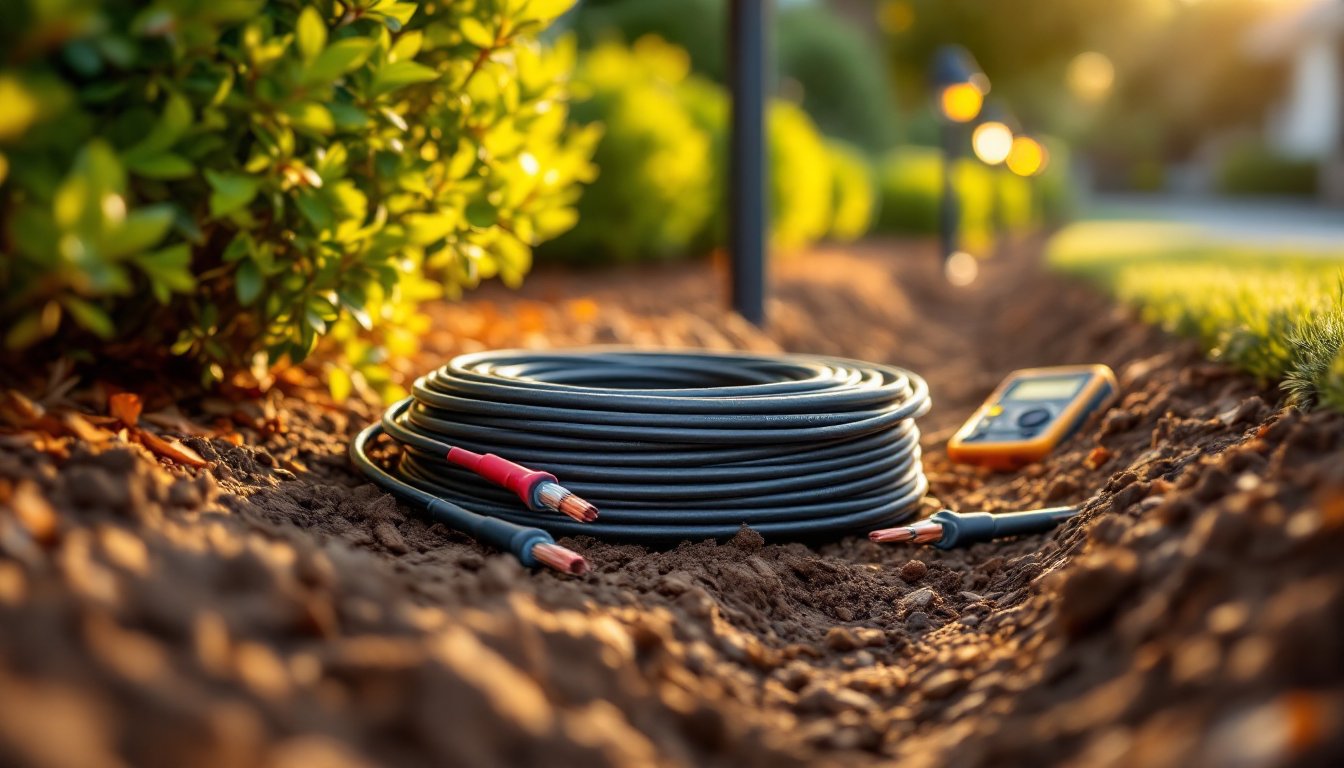
- Wire gauge: Use 12 AWG or 14 AWG landscape wire for runs up to 100 feet. Thinner wire (16 AWG) works for short runs but causes voltage drop over distance, dimming fixtures farthest from the transformer.
- Junction boxes: If you’re splicing wires or tapping into existing circuits, use weatherproof boxes rated for wet locations.
Low-voltage systems qualify for the same energy-efficient technology used in outdoor track lighting, where LED performance and controllability outweigh the upfront wiring effort. Detailed guidance on various deck lighting ideas can help refine your system design based on deck size and layout.
Conclusion
Effective deck lighting blends safety, function, and style. Start by identifying high-priority zones, stairs, cooking areas, seating, and layer fixtures to address each need. Recessed lights and step fixtures handle safety: post caps and railing strips add definition: string lights deliver ambiance. Choose your power source based on budget, climate, and how much DIY work you’re willing to tackle. With a clear plan and attention to installation details, a well-lit deck becomes a year-round asset that’s as practical as it is inviting.