Picture this: it’s a warm Friday evening, and instead of heading inside after dinner, you’re still out on the patio with friends, laughing over cold drinks under a canopy of soft, glowing lights. That’s the magic of outdoor bistro lighting, it doesn’t just illuminate your space: it transforms it into a place people actually want to linger.
Whether someone’s got a cramped apartment balcony or a sprawling backyard deck, the right lighting setup can make any outdoor area feel like a European café. And here’s the best part: most bistro lighting installs don’t require an electrician, expensive materials, or a contractor’s skill set. Just a few hours, some basic tools, and a clear plan.
Table of Contents
ToggleKey Takeaways
- Outdoor bistro lighting transforms patios and decks into inviting gathering spaces by extending usable hours after sunset and creating an intimate, café-like atmosphere.
- Quality string lights and LED café bulbs are cost-effective ($30–$150) and can be installed as DIY projects using basic tools, without requiring electrician expertise or expensive materials.
- LED bistro lighting options use 90% less energy than incandescent bulbs, last 15,000–25,000 hours, and offer the same warm aesthetic when choosing filament-style LEDs.
- Proper installation requires identifying solid anchor points, allowing 6–12 inches of sag per 10 feet of span to prevent wire stress, and routing power cords safely away from walkways.
- Layering bistro lighting with pathway lighting, dimmer controls, and complementary décor—like climbing vines and varied bulb shapes—creates a polished, cohesive outdoor ambiance.
- Most plug-in and low-voltage outdoor bistro lighting setups don’t require permits, but hardwired fixtures may require consultation with local building codes and GFCI protection for safety.
Why Outdoor Bistro Lighting Matters for Your Space
Bistro lighting isn’t just about aesthetics, though the warm, ambient glow does make patios look better on Instagram. Functionally, it extends usable hours outdoors. Once the sun dips below the horizon, spaces without adequate lighting become unusable, forcing everyone inside. A well-lit patio or deck becomes a natural gathering spot well into the evening.
From a design standpoint, bistro lighting adds vertical interest and defines zones. String lights strung overhead create an implied ceiling, making open-air spaces feel more intimate and room-like. This psychological shift makes outdoor areas feel cozier, which is why restaurants and cafés have been using this trick for decades.
There’s also a practical safety angle. Guests navigating steps, uneven pavers, or unfamiliar deck layouts are less likely to trip when there’s adequate overhead lighting. While bistro lights aren’t a substitute for task lighting near grills or prep areas, they provide enough ambient light to keep movement safe.
Finally, bistro lighting is one of the most cost-effective outdoor upgrades. A basic string light setup runs $30–$150 depending on bulb type and length, and installation rarely requires more than a ladder, some hooks, and an outdoor-rated extension cord or low-voltage transformer.
Best Types of Bistro Lighting for Outdoor Spaces
String Lights and Café Bulbs
String lights are the backbone of bistro lighting. The classic café-style bulb (often called Edison bulbs or globe bulbs) typically comes in G40 (40mm diameter) or G50 (50mm) sizes. These incandescent or LED bulbs are spaced 12–18 inches apart on a black or brown cord.
For durability, look for commercial-grade string lights with weatherproof sockets rated for outdoor use. The difference between hardware-store party lights and commercial café lights is build quality, cheap sockets crack in freezing temps, and thin wire corrodes after a season or two. Many lighting design approaches emphasize the importance of matching light fixture quality to environmental exposure.
LED versions use roughly 90% less energy than incandescent and last 15,000–25,000 hours. They stay cooler, too, which matters if the lights hang low enough to bump into. Trade-off? Incandescent bulbs have that classic warm filament glow some people prefer. For a budget-conscious middle ground, use LED bulbs with filament-style LEDs that mimic the look of incandescent without the energy cost.
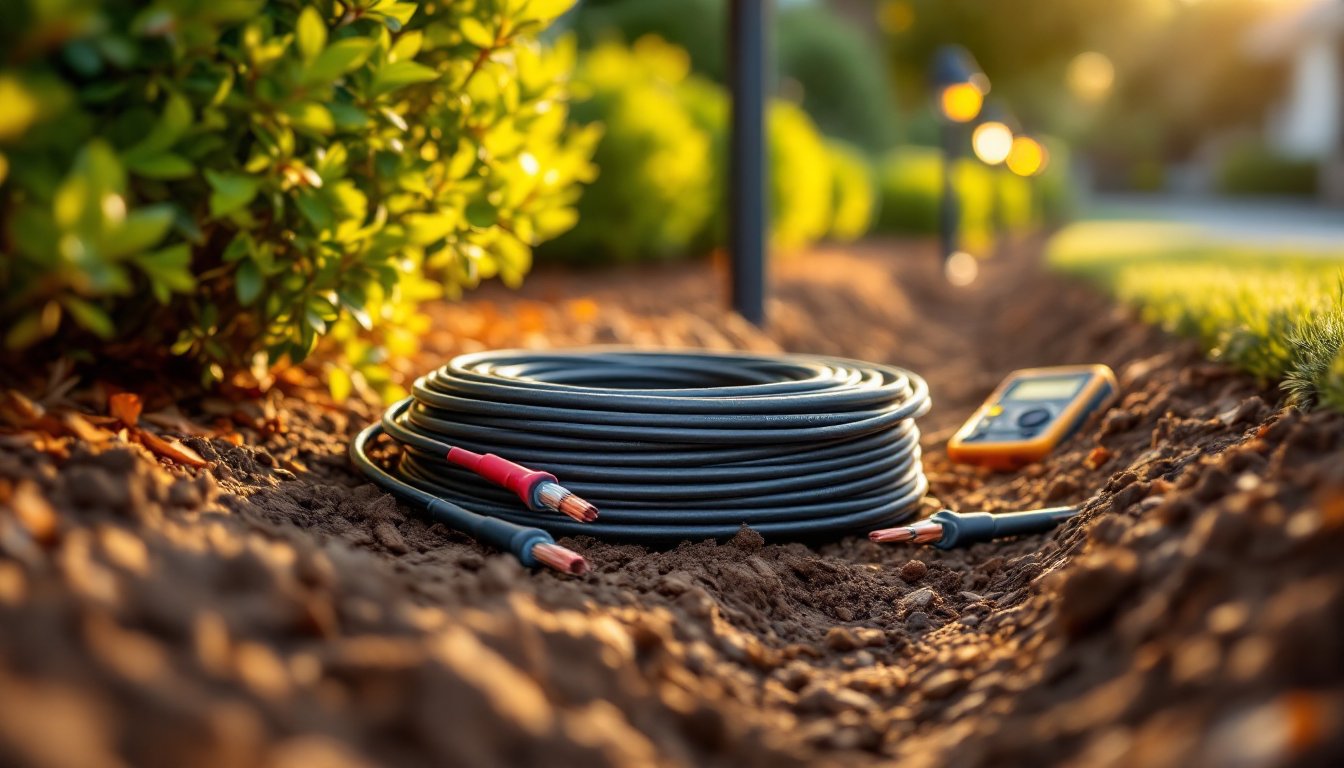
Low-voltage string lights (12V or 24V) run through a transformer and are safer around water features or pool areas. They’re a smart choice if the patio is near a fountain, pond, or hot tub.
Lanterns and Pendant Fixtures
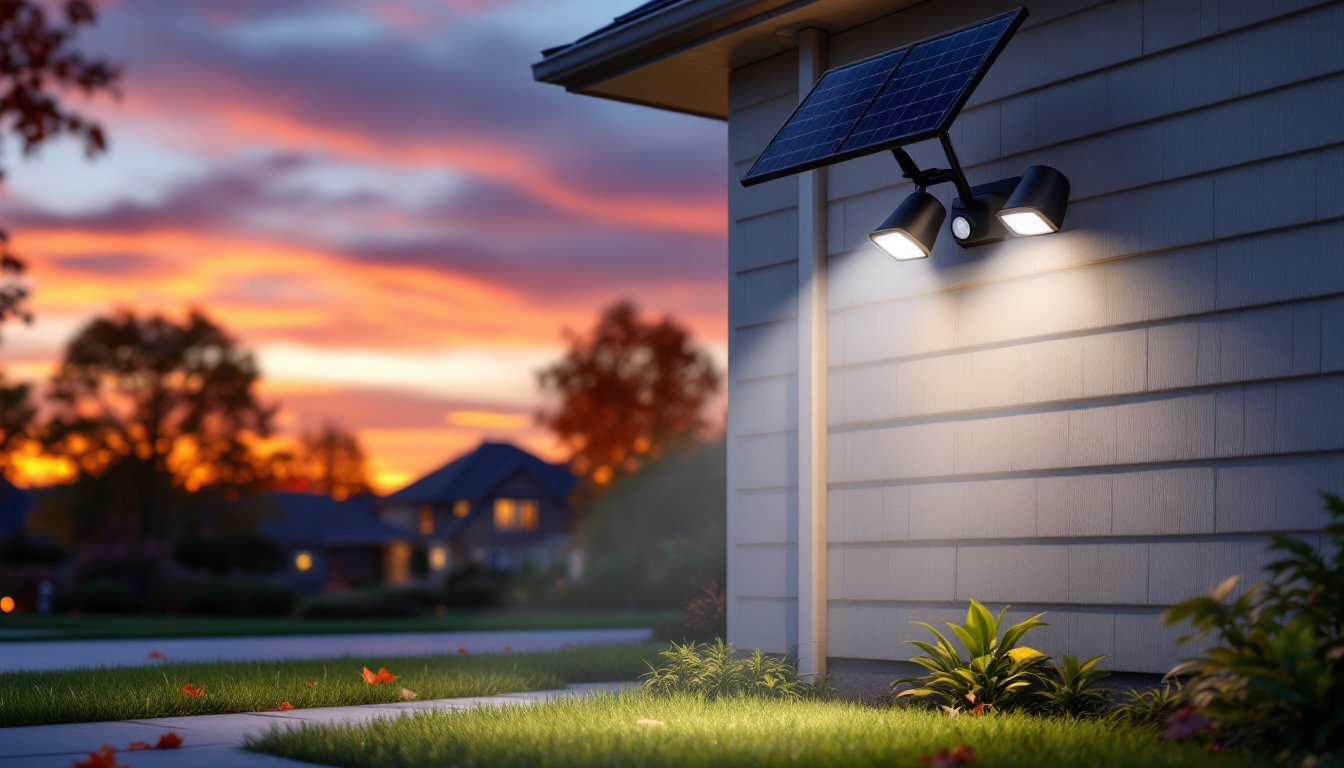
Lanterns add a layered lighting effect and work well on tables, steps, or as accent pieces along a railing. Battery-powered LED lanterns are portable and require zero wiring. For a more permanent setup, solar lanterns charge during the day and automatically turn on at dusk.
Pendant fixtures hung from pergola beams or porch ceilings create focal points. These typically require hardwired electrical or a plug-in cord routed to an outdoor outlet. Use pendants sparingly, one or two over a dining table or bar area is enough. Too many competing light sources dilute the cohesive bistro vibe.
Materials matter outdoors. Fixtures should be rated wet-location (not just damp) if they’re exposed to rain. Look for powder-coated metal, UV-resistant resin, or marine-grade finishes. Avoid uncoated brass or untreated wood unless the fixtures are under a roof overhang.
How to Plan Your Bistro Lighting Layout
Start by sketching the space, literally. Graph paper works, or use a tape measure and mark key dimensions on a smartphone photo. Identify anchor points: pergola beams, fence posts, exterior walls, or standalone poles. Bistro lights need tension to hang properly, so both ends of each strand must attach to something solid.
For a straight run across a patio, mount hooks or eye bolts into wall studs or solid masonry. If attaching to wood siding, use stainless steel screw eyes (¼-inch diameter minimum) driven into studs or blocking, not just siding. For masonry or stucco, use sleeve anchors or tapcon screws rated for outdoor use.
For a zigzag or crisscross pattern, plan the layout so each strand maintains a gentle catenary curve, the natural sag a suspended cable makes under its own weight. Too taut looks stiff and stresses the wire: too loose looks sloppy and risks bulbs hanging too low. A general rule: allow 6–12 inches of sag per 10 feet of span.
If there aren’t enough natural anchor points, install freestanding poles or telescoping light poles designed for outdoor lighting. These typically use a ground spike or weighted base and extend 8–10 feet high. Pair them with guy wires if winds are strong.
Circuit planning: Most plug-in string light sets are 25–100 feet long and draw 200–600 watts depending on bulb type. A standard 15-amp outdoor circuit (protected by a GFIC outlet) can handle about 1,800 watts. Don’t daisy-chain more than three string light sets end-to-end unless the manufacturer explicitly allows it.
Consider using a programmable outdoor timer or a smart plug so the lights turn on automatically at dusk. This is especially useful for front porches or entry patios where consistent lighting improves curb appeal and security.
Installation Tips for DIY Bistro Lighting
Safety first: If the install involves a ladder taller than 6 feet, have a second person foot the ladder. Wear gloves when handling wire and metal hardware, and use safety glasses if drilling into masonry or wood overhead.
Tools needed:
- Tape measure
- Drill with bits (masonry or wood, depending on surface)
- Screwdriver or socket wrench
- Ladder (6–8 foot stepladder or extension ladder)
- Level (optional but helpful for symmetrical runs)
- Wire cutters or cable ties
Step-by-step:
- Locate anchor points and mark drill holes. For wood, find studs with a stud finder. For masonry, mark locations and predrill pilot holes.
- Install hooks or eye bolts at each anchor. For wood, drill a pilot hole slightly smaller than the shank diameter, then twist the eye bolt in by hand or with a screwdriver through the eye. For masonry, use a hammer drill with a carbide bit, insert anchors, then screw in the hooks.
- Hang the first strand by securing one end, then stretching it to the opposite anchor. Leave slack so the strand naturally sags, don’t pull it taut. Secure the far end.
- Adjust tension by repositioning the wire in the hook or adding a turnbuckle (a threaded tensioning device) if the run is longer than 15 feet. Turnbuckles let you fine-tune sag without rehooking.
- Route power carefully. Run extension cords along walls, under railings, or through cord covers to prevent tripping hazards. Never run cords across walkways at ground level. Staple cords to wood surfaces using insulated staples (not metal staples that can cut through insulation).
- Test the full circuit before finishing. Screw in all bulbs and plug in the lights to confirm there are no dead bulbs or faulty sockets.
Permit check: Most low-voltage and plug-in bistro lighting installs don’t require permits. Hardwired fixtures connected to household electrical circuits may, depending on local codes. If running new outdoor circuits or installing junction boxes, consult local building codes or hire a licensed electrician. The National Electrical Code (NEC) requires GFCI protection on all outdoor receptacles.
For areas exposed to high winds, add cable tensioners or guy wires to stabilize freestanding poles. In regions with heavy snow, consider taking down string lights in winter to prevent damage from ice accumulation.
Styling Ideas to Enhance Your Outdoor Ambiance
Lighting is only half the equation. The way bistro lights interact with furniture, plants, and architectural features determines whether the space feels cohesive or cluttered.
Layer light sources: Combine overhead string lights with pathway lighting, solar stakes, or LED candles on tables. Layering prevents harsh shadows and adds depth. Homeowners seeking a polished look often pair bistro lights with landscape lighting techniques to highlight plantings and walkways.
Use dimmers: If using plug-in LED string lights, add an outdoor dimmer between the plug and the outlet. Dimming capability lets the user adjust brightness for different occasions, brighter for dinner prep, softer for late-night conversations. Not all LED bulbs are dimmable, so check packaging.
Mix bulb shapes: Standard globe bulbs are classic, but mixing in a few Edison-style filament bulbs or flame-tip candelabra bulbs on a single strand adds visual variety without looking chaotic. Keep the color temperature consistent, stick with 2200K–2700K warm white for a cozy, restaurant-like glow.
Incorporate greenery: Draping string lights through climbing vines, hanging planters, or over pergola lattice softens the look. Just make sure plants won’t grow into the wiring and create a fire hazard. Avoid wrapping lights around living tree trunks, use tree-safe hooks or attach to nearby posts instead.
Define zones: Use lighting to separate dining areas from lounge spaces. A concentrated cluster of pendant lights over a dining table signals “this is where we eat,” while softer, more diffuse string lights over a seating area suggest relaxation.
Weather-appropriate accessories: In coastal areas, opt for rust-resistant stainless steel or powder-coated aluminum fixtures. In desert climates, UV-resistant coatings prevent fading. For patios near heavy-duty outdoor furniture setups, make sure lighting fixtures are equally robust.
Seasonal adjustments: Swap out bulb colors or add temporary decorative elements for holidays. Amber bulbs in fall, cool white in winter, or colorful globe bulbs for summer parties. Many cafe-style lighting ideas suggest rotating accessories seasonally to keep the space feeling fresh.
Consider reflective surfaces: Placing bistro lights near concrete outdoor furniture or light-colored walls can amplify illumination. Concrete reflects light subtly, while white or pale-painted surfaces bounce more light back into the space.
For those who enjoy gathering outdoor decor inspiration, sources like Better Homes & Gardens and Country Living often feature seasonal patio styling that pairs well with bistro lighting setups.
Final styling tip: Don’t overthink it. Bistro lighting thrives on a casual, slightly imperfect look. Perfectly symmetrical layouts can feel sterile. A bit of asymmetry, a few bulbs at slightly different heights, and natural sag in the lines all contribute to that laid-back café vibe people associate with outdoor bistro spaces.