Hosting an outdoor event can be magical, or it can feel like fumbling through a cave if your lighting‘s off. Whether you’re throwing a birthday party, wedding reception, or neighborhood cookout, the right lighting transforms your backyard from a dark patch of grass into an inviting, functional space where guests actually want to linger. Good outdoor event lighting isn’t just about visibility: it sets mood, defines zones, and keeps people safe from tripping over that garden hose you forgot to coil up. Unlike permanent landscape installations, event lighting is temporary, flexible, and designed to create impact for a few hours without major electrical work or permits in most cases.
Table of Contents
ToggleKey Takeaways
- Outdoor event lighting transforms your backyard into an inviting space while improving guest safety and defining functional zones for dining, mingling, and movement.
- String lights and bistro bulbs are the most versatile and budget-friendly options for outdoor event lighting, with LED versions providing longer lifespan and lower power consumption than incandescent alternatives.
- Plan your outdoor event lighting layout on paper first by mapping guest zones and ensuring minimum 7–8 feet of clearance in walking and dining areas to avoid obstructing sightlines.
- Use outdoor-rated extension cords (14- or 12-gauge for longer runs), verify your circuit capacity (15-amp circuits handle ~1,440 watts safely), and ensure all outdoor outlets have GFCI protection to prevent electrical hazards.
- Battery-powered and solar lighting options work well for accent lighting and pathways, but overhead coverage for large events requires corded power sources or multiple strands for adequate brightness.
- Secure all cords with clips or landscape staples rather than nails or staples, and test your entire lighting setup before guests arrive to catch dead bulbs or flickering connections.
Why Outdoor Event Lighting Matters for Your Gatherings
Dim or poorly placed lighting kills the energy of any outdoor event. Guests cluster near the house where it’s bright, leaving the rest of your yard empty. Good lighting extends your usable space, highlights features you want people to notice, like that new patio or the dessert table, and creates visual interest after dark.
From a practical standpoint, event lighting prevents accidents. Nobody wants Aunt Carol face-planting over a step she couldn’t see. Pathway lights, uplighting on trees, and perimeter string lights help guests navigate stairs, uneven ground, and edges safely.
Lighting also defines zones. String lights over the dining area signal “eat here,” while softer lanterns around seating areas say “relax and chat.” Without intentional lighting, your event space feels undefined and guests don’t know where to go. Even basic setups, like a couple of strands overhead and solar stakes along walkways, make a noticeable difference in how professional and welcoming your event feels.
Types of Outdoor Event Lighting to Consider
Choosing the right lighting depends on your event’s vibe, your yard’s layout, and how much setup time you’ve got. Here’s what works for most backyard events.
String Lights and Bistro Bulbs
String lights are the workhorse of outdoor event lighting. They’re cheap, easy to hang, and instantly make any space feel festive. Standard options include incandescent Edison-style bulbs, LED versions (which run cooler and last longer), and globe lights in various sizes.
Bistro bulbs, typically G40 or G50 bulbs spaced 12 to 18 inches apart, create that café-style look. They work overhead on pergolas, fences, or temporary poles. For a 20-foot span, expect to use one 25-foot strand with about 25 bulbs at roughly 7 watts per bulb for incandescent (LED versions draw closer to 1 watt each).
When shopping, check the IP rating. Look for IP44 or higher for weather resistance. Indoor string lights aren’t rated for moisture and can short out or become a fire hazard outdoors. Many homeowners appreciate creative lighting options that balance durability with style.
For versatility, consider dimmable LED strands. You can adjust brightness as daylight fades without swapping out fixtures. Some models include timers or remote controls, which beat climbing a ladder mid-party.
Lanterns and Luminaries
Lanterns, whether battery-powered, solar, or candle-based, add ambiance without the hassle of running extension cords. Hang them from shepherd’s hooks, tree branches, or place them on tables as centerpieces.
Battery-operated LED lanterns are safer than open flames, especially around kids or on windy nights. Look for units with at least 8 hours of runtime. Cheap models dim noticeably after 3 hours, which is awkward when your event’s just hitting its stride.
Paper luminaries (the kind with sand-weighted bags and tea lights or battery candles) line pathways nicely. Space them every 3 to 4 feet for even coverage. Use LED tea lights instead of real candles if your area’s prone to wind or dry conditions, real flames in paper bags are a quick route to an unplanned bonfire.
For a more polished look, metal or glass lanterns with flameless candles work well on tables or hung in clusters. They’re reusable for future events and won’t blow away like paper versions. Mixing different styles of lighting throughout your space creates visual layers that feel intentional rather than thrown together.
Planning Your Outdoor Event Lighting Layout
Start by mapping your event zones on paper or a phone sketch. Identify where guests will eat, mingle, and move between areas. Lighting should reinforce these zones and connect them visually.
Overhead lighting works best over dining and bar areas. Run string lights in parallel lines or a grid pattern for even coverage. A single strand zigzagging randomly looks halfhearted. For a 10×20-foot dining area, plan for at least 3 to 4 parallel strands spaced 4 to 5 feet apart.
Anchor points are critical. Pergolas, fence posts, and trees are ideal. If you don’t have permanent structures, use temporary lighting poles (available at home centers) or drive 8-foot 4×4 posts 2 feet into the ground with a post-hole digger. Secure them with concrete if you’re setting up more than a day ahead.
Pathway and safety lighting should be subtle but effective. Solar stake lights every 4 to 6 feet along walkways work for casual events. For evening weddings or bigger gatherings, low-voltage LED path lights or uplighting along stairs prevent trips and look more refined.
Consider sight lines. Lights hung too low obstruct conversation and bonk tall guests in the head. Aim for a minimum 7 feet of clearance in walking areas, 8 feet over dining tables.
Test your layout in daylight. Run a single strand where you plan to hang lights and walk the space. Adjust heights and spacing before committing to the full setup. It’s easier to tweak one strand than to redo six.
Many design ideas, like those seen in inspiring outdoor party setups, balance function with aesthetics by layering multiple light sources at different heights.
DIY Installation Tips for Outdoor Event Lighting
Hanging event lighting isn’t complicated, but doing it safely and securely takes a little prep. Here’s the step-by-step.
Materials and Tools You’ll Need:
- String lights (measure twice, buy once, add 20% extra for draping and connections)
- Cup hooks, screw eyes, or guide wire with turnbuckles (for permanent anchor points)
- Zip ties or light clips (avoid staples, they damage cords and create shock hazards)
- Extension cords rated for outdoor use (look for SJEOW or SJTW jackets, 14- or 12-gauge for longer runs)
- Ladder (6-foot step ladder for low installations, extension ladder for higher runs)
- Voltage tester or multimeter (to confirm power before plugging in)
- Safety gear: work gloves, safety glasses (especially when drilling overhead)
Step-by-Step Installation:
-
Install anchor points first. Screw cup hooks or eye bolts into solid wood (fence posts, pergola beams, or fascia boards). Pre-drill pilot holes to prevent splitting. For masonry, use tapcon screws with a masonry bit.
-
String guide wire if spanning long distances. For runs over 15 feet without mid-support, use galvanized steel cable (1/8-inch diameter) with turnbuckles at each end. This prevents sagging and takes strain off the light cord itself. Tension the wire until taut but not piano-string tight, you don’t want to pull anchors loose.
-
Attach lights using clips, not nails or staples. Specific clips designed for string lights grip the cord without piercing insulation. Zip ties work in a pinch but can look sloppy up close. Space attachment points every 12 to 18 inches to control drape.
-
Plan your power route. Start closest to your outlet and work outward. Most residential 15-amp circuits handle about 1,800 watts max:留 leave a 20% safety margin (about 1,440 watts usable). Ten strands of 25-watt incandescent bulbs push that limit. LED strands draw far less, often under 10 watts per strand, so you can run many more on one circuit.
-
Test before the event. Plug in and inspect every bulb. Swap out any dead or flickering sockets. A single bad bulb can kill an entire series strand.
-
Secure cords along the ground. Use outdoor-rated cord covers or landscape staples (the U-shaped kind) to keep cords flat where guests walk. Tape is a trip hazard and looks cheap.
If you’re dealing with a larger property or want more permanent options for regular entertaining, exploring landscape lighting systems can provide ideas that translate well to event setups.
Power Sources and Safety Considerations
Power and safety go hand-in-hand with outdoor event lighting. Cutting corners here leads to tripped breakers, shocked guests, or worse.
Electrical Basics:
Most outdoor events run off standard 120-volt household circuits. A typical 15-amp breaker supports about 1,800 watts total load. Check your breaker panel to confirm what else shares that circuit, outdoor outlets often share with garage or kitchen circuits. If your event lighting plus other devices exceeds capacity, you’ll trip the breaker mid-party.
For heavy lighting loads, consider running a dedicated 20-amp circuit to an outdoor outlet. This requires hiring a licensed electrician in most jurisdictions and may need a permit. It’s overkill for a one-off backyard barbecue but worthwhile if you host often.
Extension Cord Sizing:
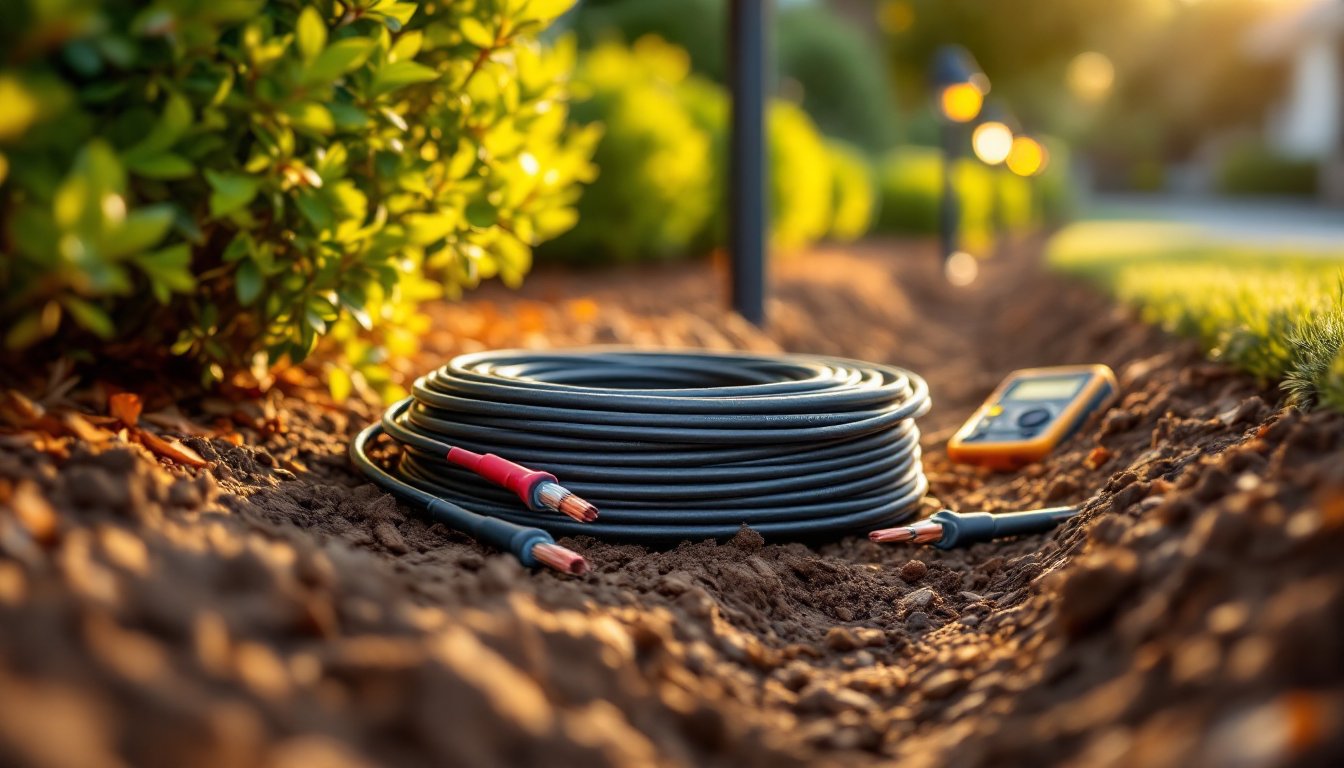
Use outdoor-rated cords (marked W for weather-resistant). For runs under 50 feet, 16-gauge works for light loads (under 10 amps). Over 50 feet or for heavier loads, step up to 14- or 12-gauge. Undersized cords overheat, melt insulation, and create fire risk.
Don’t daisy-chain multiple extension cords. It’s a code violation in many areas and increases resistance, causing voltage drop and potential overheating. If you need longer reach, buy a single longer cord.
GFCI Protection:
All outdoor outlets should have Ground Fault Circuit Interrupter (GFCI) protection per the National Electrical Code (NEC). GFCI outlets trip instantly if they detect current leakage (like from a short or wet connection), preventing shock. If your outdoor outlets lack GFCI, use a portable GFCI adapter or hire an electrician to upgrade.
Weather and Moisture:
Even “waterproof” lights aren’t meant to be submerged. Protect connections from rain with weatherproof outlet covers (the kind with a flip lid or in-use cover). Elevate cords and connections off the ground where possible. Puddles and electricity don’t mix.
If rain’s forecast, unplug non-essential lighting or move the event under cover. Wet string lights can short out and damage the entire strand.
Solar and Battery Options:
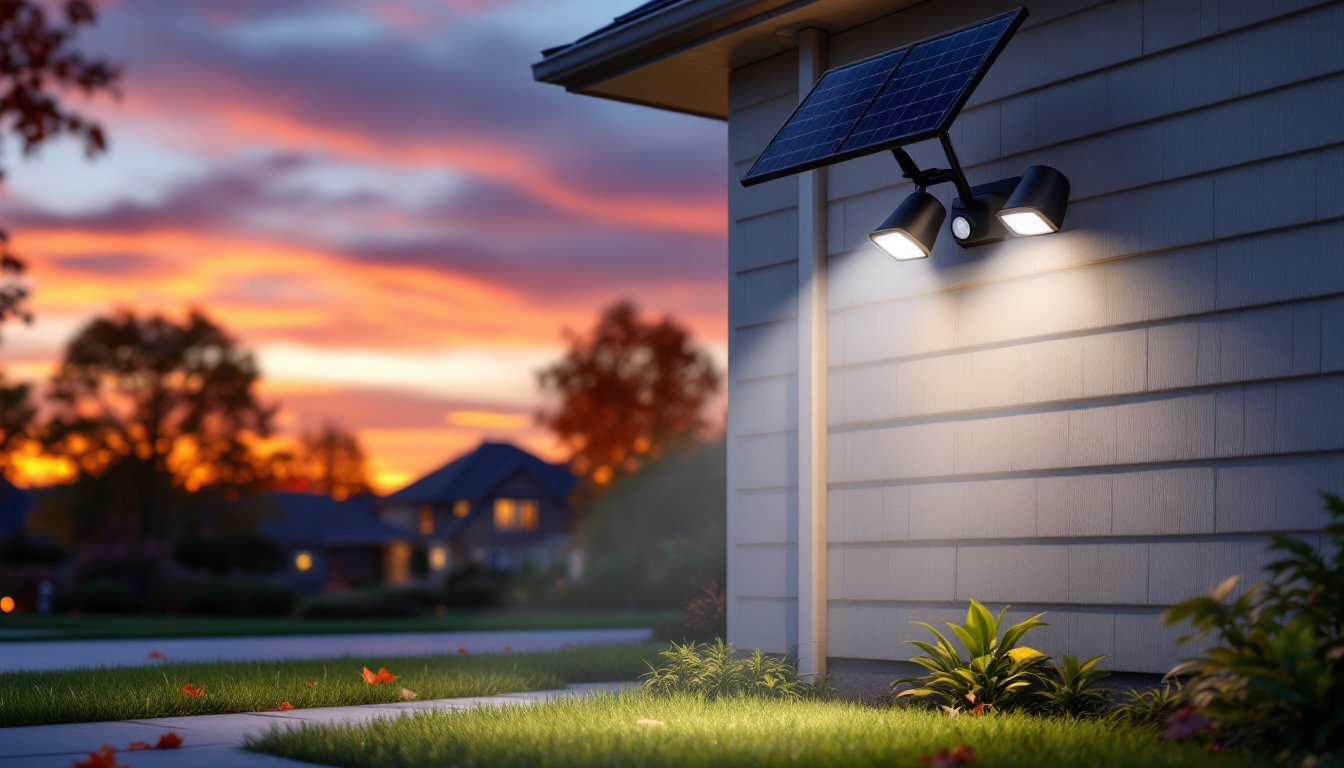
For areas without power access, or to simplify setup, solar string lights and battery-powered lanterns eliminate cords entirely. Solar lights need 6 to 8 hours of direct sun to charge fully, so position panels in sunny spots during the day. Expect 4 to 6 hours of runtime after dark.
Battery-powered options suit accent lighting (centerpieces, pathway markers) but aren’t bright enough for task lighting or large overhead coverage. Budget for replacement batteries, cheap alkalines die fast under continuous use. Rechargeable NiMH batteries offer better runtime and lower long-term cost.
Fire Safety:
Keep incandescent bulbs away from fabric, paper, and foliage. They get hot enough to ignite flammable materials. LED bulbs stay cool and are safer around decorations. If using candles or flame-based lanterns, never leave them unattended and keep a fire extinguisher on hand.
For permanent installations that blend outdoor track lighting with event flexibility, low-voltage systems (12V or 24V) reduce shock risk and simplify DIY installation, though they still require proper transformers and weatherproof connections.
Finally, Personal Protective Equipment (PPE): wear work gloves when handling lights and hardware, safety glasses when drilling overhead, and use a sturdy ladder with a helper to steady it. Most ladder falls happen because someone rushed or worked alone.