Grilling in the dark is a recipe for trouble. Undercooked chicken, singed eyebrows, and charred steaks happen when you can’t see what you’re doing. But proper outdoor BBQ lighting isn’t just about safety, it extends your grilling season well into those long summer evenings and creates an inviting atmosphere for guests. Whether you’re flipping burgers on a weeknight or hosting a full backyard cookout, the right lighting setup transforms your grill station from a shadowy corner into a functional, well-lit workspace that’s actually pleasant to use after sunset.
Table of Contents
ToggleKey Takeaways
- Proper outdoor BBQ lighting prevents accidents and enables safe food handling by providing 300-500 lumens at the grill surface, roughly equivalent to a 40-60 watt incandescent bulb.
- Layer three types of lighting—task lighting for precise work, ambient lighting for overall illumination, and accent lighting for pathways—to create both a functional and inviting outdoor cooking space.
- Use weather-rated, wet-location fixtures (UL listed) with proper GFCI protection and hire a licensed electrician for permanent outdoor BBQ lighting installations to comply with electrical codes.
- String lights positioned in a 3-4 foot grid pattern overhead deliver 200-300 lumens per bulb and provide effective ambient and task lighting when using commercial-grade festoon bulbs with a dimmer switch.
- For task-critical zones like grill grates and prep surfaces, select fixtures with 5000K-6000K daylight-white color temperature to accurately judge food doneness without distortion.
- Solar and smart lighting options work best for accent and pathway lighting, while hardwired or plug-in LED solutions are necessary for primary task lighting where consistent brightness and performance matter most.
Why Proper BBQ Lighting Matters for Safety and Ambiance
Good lighting at your grill station serves two critical purposes. First, it prevents accidents. You need to see grill grates clearly to gauge doneness, avoid flare-ups, and handle hot tools safely. The National Fire Protection Association notes that July sees the highest number of grill fires, many occurring during evening cookouts when visibility drops.
Second, lighting sets the mood. A well-lit BBQ area encourages people to linger outdoors longer, turning a quick dinner into a full evening event. The key is layering: combine task lighting (bright, focused light where you work), ambient lighting (soft overall illumination), and accent lighting (highlighting pathways or landscape features).
Most outdoor cooking spaces need a minimum of 300-500 lumens at the grill surface for safe food handling. That’s roughly equivalent to a 40-60 watt incandescent bulb, though LED options now deliver the same output at 6-10 watts. Anything less and you’re squinting at meat temps in dangerous semi-darkness.
Overhead Lighting Solutions for Your Grilling Station
Overhead fixtures provide broad coverage and keep your work surface well-lit without taking up counter space. If your grill sits under a pergola, gazebo, or covered patio, you’ve got built-in mounting points. For freestanding grills, a post-mounted fixture or adjustable pole light works well.
Weather-rated ceiling fixtures (look for wet-location UL listings, not just damp) can handle rain and grease splatter. Flush-mount LED fixtures with frosted lenses reduce glare while delivering even light across a 6-8 foot radius. Pendant lights work too, but hang them high enough, at least 7 feet clearance, so tall guests don’t bump their heads.
If you’re wiring new fixtures, hire a licensed electrician unless you’re comfortable working with your local electrical code (NEC Article 410 covers outdoor fixtures). Most jurisdictions require GFCI protection for outdoor outlets and fixtures, and you’ll need weatherproof junction boxes rated for outdoor use.
String Lights and Festoon Bulbs for Ambient Glow
String lights aren’t just for patios, they provide surprisingly effective task lighting when positioned correctly. Commercial-grade festoon string lights with Edison-style LED bulbs (often called café lights) cast a warm, diffused glow that covers a wide area without harsh shadows. Proper landscape lighting techniques can help you plan the layout for maximum impact.
Hang them in a grid pattern overhead, spacing strands 3-4 feet apart, so the light pools overlap at grill height. This setup delivers around 200-300 lumens per bulb, and if you use 6-8 bulbs over your cooking zone, you’ll hit functional task-lighting levels.
Use 14-16 AWG outdoor-rated wire and weatherproof sockets. Cheap indoor string lights fail within a season outdoors. Look for lights rated IP65 or higher for water and dust resistance. For best results, attach them to a dimmer switch so you can dial up brightness while cooking and lower it for ambiance during dinner.
Task Lighting: Focused Illumination Where You Need It Most
Task lighting puts bright, focused light exactly where your hands are working, over the grill grates, prep surfaces, and serving trays. Grill-mounted LED lights are the most direct solution. Many clip onto the grill handle or attach magnetically to the hood, powered by rechargeable batteries or AAA cells. Brands like Weber and Char-Broil make models that deliver 100-150 lumens and last 4-6 hours per charge.
For permanent setups, consider a gooseneck or adjustable arm fixture mounted to a nearby post or wall. These let you aim light precisely and move it out of the way when not in use. Look for fixtures with 5000K-6000K color temperature (daylight white) for task areas, it shows true food color so you can judge doneness accurately. Warmer 2700K-3000K temps are fine for ambient zones but make raw meat look unnaturally red or brown.
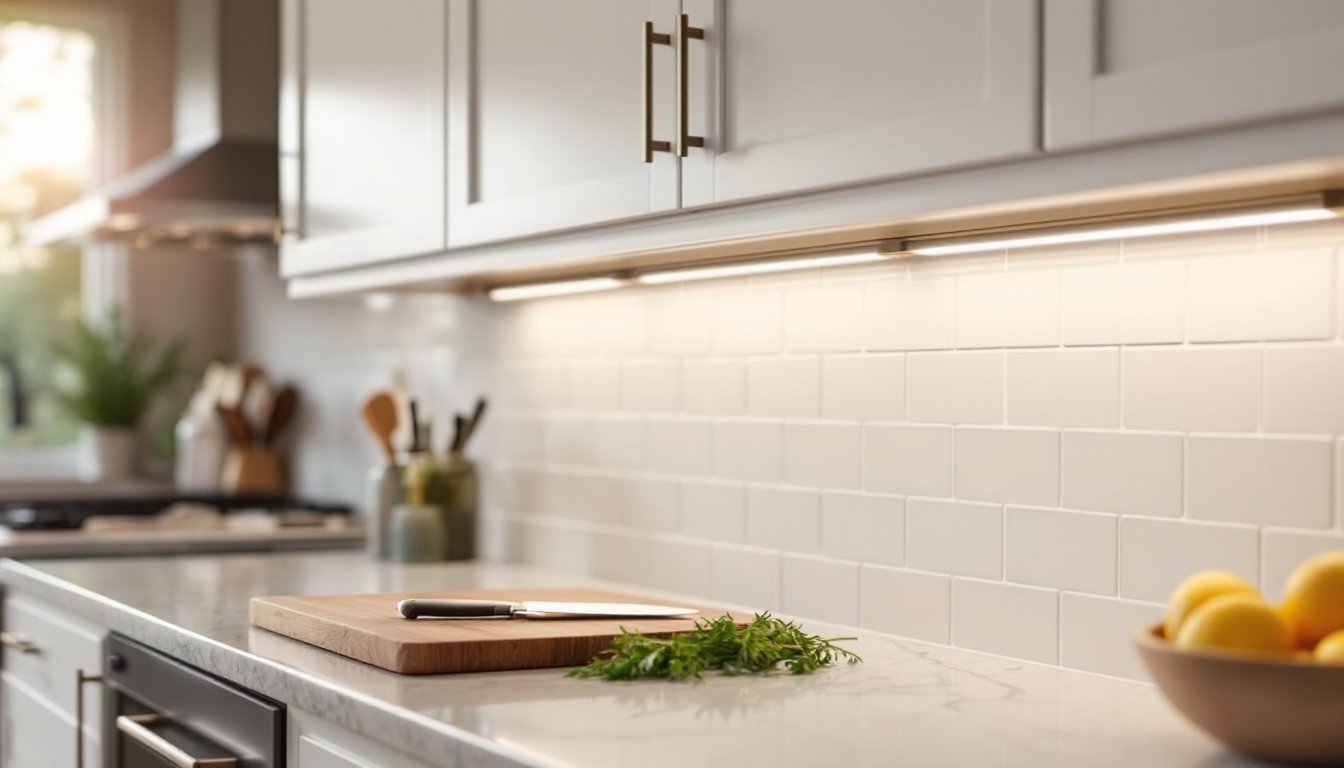
If you’ve got an outdoor kitchen with cabinetry, install under-cabinet LED strip lighting along the underside of upper shelves or a pergola beam. A 12V LED strip running 18-24 inches above your prep counter provides glare-free task lighting without visible bulbs. Use aluminum channels to diffuse the light and protect the strips from moisture.
Don’t forget about countertop work lamps. A portable LED shop light (the kind with a magnetic base or clamp) works in a pinch and costs $15-30. It’s not elegant, but it gets the job done and you can move it wherever you need it.
Accent and Pathway Lighting for Your BBQ Area
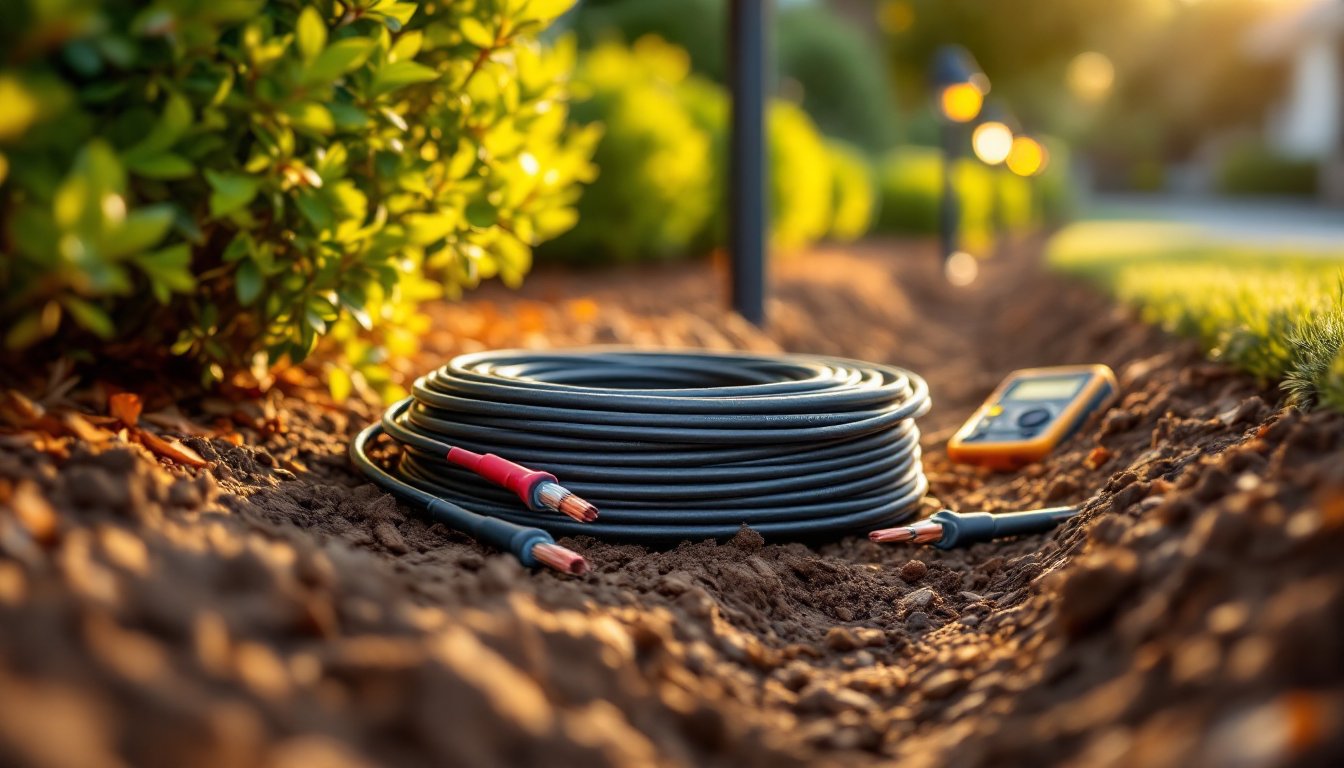
Accent lighting guides guests safely to your grill area and highlights landscaping or architectural features nearby. Low-voltage path lights (12V systems) are the standard for walkways leading to your BBQ zone. Space them 6-8 feet apart along both sides of a path for even coverage. Each fixture typically draws 1-3 watts and casts a soft pool of light about 2-3 feet in diameter.
For steps or elevation changes near your grill, use recessed step lights or deck rail lights. These prevent trips and falls without adding glare at eye level. The International Residential Code (IRC) doesn’t mandate lighting for outdoor steps, but it’s a smart safety move, and many insurance companies appreciate it.
Uplighting around trees, large planters, or a privacy fence creates depth and makes your BBQ area feel like an intentional outdoor room rather than a lonely grill in the dark. A couple of well-placed landscape spotlights (3-5 watts each) aimed upward add drama without much power draw. Incorporating ideas from outdoor track lighting designs can also add a modern, adjustable touch to your setup.
If your grill sits on a deck, install post cap lights on deck railings or pergola posts. These provide a low, ambient wash of light that defines boundaries and keeps people from bumping into furniture. Solar-powered post caps work fine for ambiance but often don’t produce enough lumens for functional lighting.
Solar and Smart Lighting Options for Modern Outdoor Kitchens
Solar-powered lights have come a long way. Modern solar path lights and spotlights now use high-efficiency monocrystalline panels and lithium-ion batteries, delivering 50-100 lumens per fixture and running 6-8 hours per charge. They work best in areas with at least 6 hours of direct sun daily. If your grill sits under heavy tree cover, solar isn’t ideal, the panels won’t charge fully.
For task lighting, solar still lags behind hardwired or plug-in LED. But for pathway markers, accent lights, and ambient string lights, solar eliminates the need for trenching or running outdoor-rated extension cords. Just make sure the panel is positioned in full sun, even if that means mounting it separately from the fixture and running the low-voltage wire 10-15 feet.
Smart outdoor lighting integrates with systems like Philips Hue, LIFX, or Ring. You can control brightness, color temperature, and scheduling from your phone or via voice commands. Set a routine that turns on your grill lights at sunset and dims them at 10 p.m. Some systems even sync with motion sensors, so lights activate when someone approaches the grill. Resources like Better Homes & Gardens often feature the latest smart home and outdoor lighting trends.
For smart bulbs in outdoor fixtures, verify they’re rated for outdoor use, not all smart LEDs are. Look for IP ratings of IP65 or higher and temperature ranges that match your climate. A smart bulb that works great indoors can fail in a single winter if it’s not built for freezing temps.
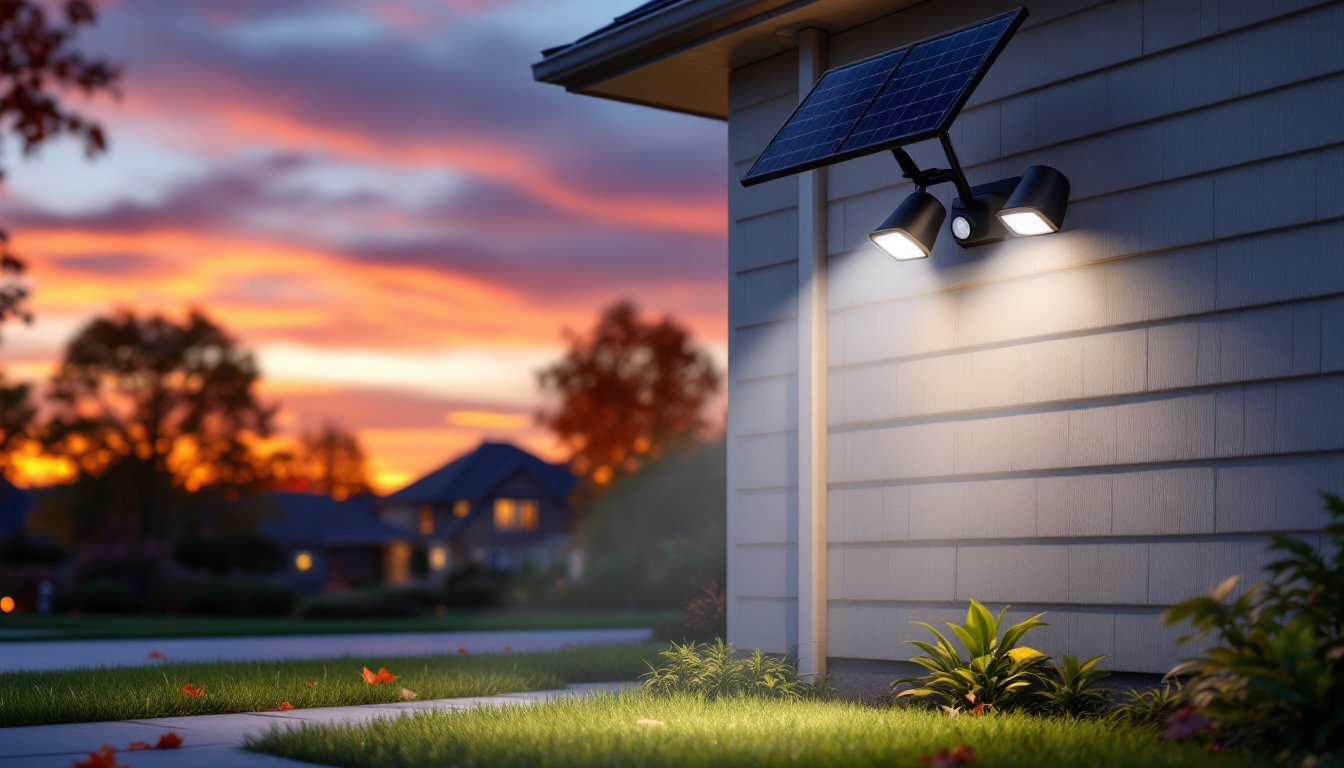
Motion-activated floodlights are another option, especially for secondary lighting. Mount a LED motion flood (1500-3000 lumens) on a nearby wall or eave. It stays off until you walk up to the grill, then floods the area with light. Adjust sensitivity so it doesn’t trigger every time a raccoon wanders by. Combining various lighting styles helps create a layered, functional outdoor cooking environment.
Conclusion
Lighting your BBQ area well doesn’t require a full outdoor kitchen remodel. Start with a solid task light at the grill, add overhead ambiance, and layer in pathway or accent lights as budget allows. Use weather-rated fixtures, protect circuits with GFCI outlets, and don’t skimp on lumens where you’re handling raw meat and high heat. A little planning now means safer, more enjoyable grilling all season long.