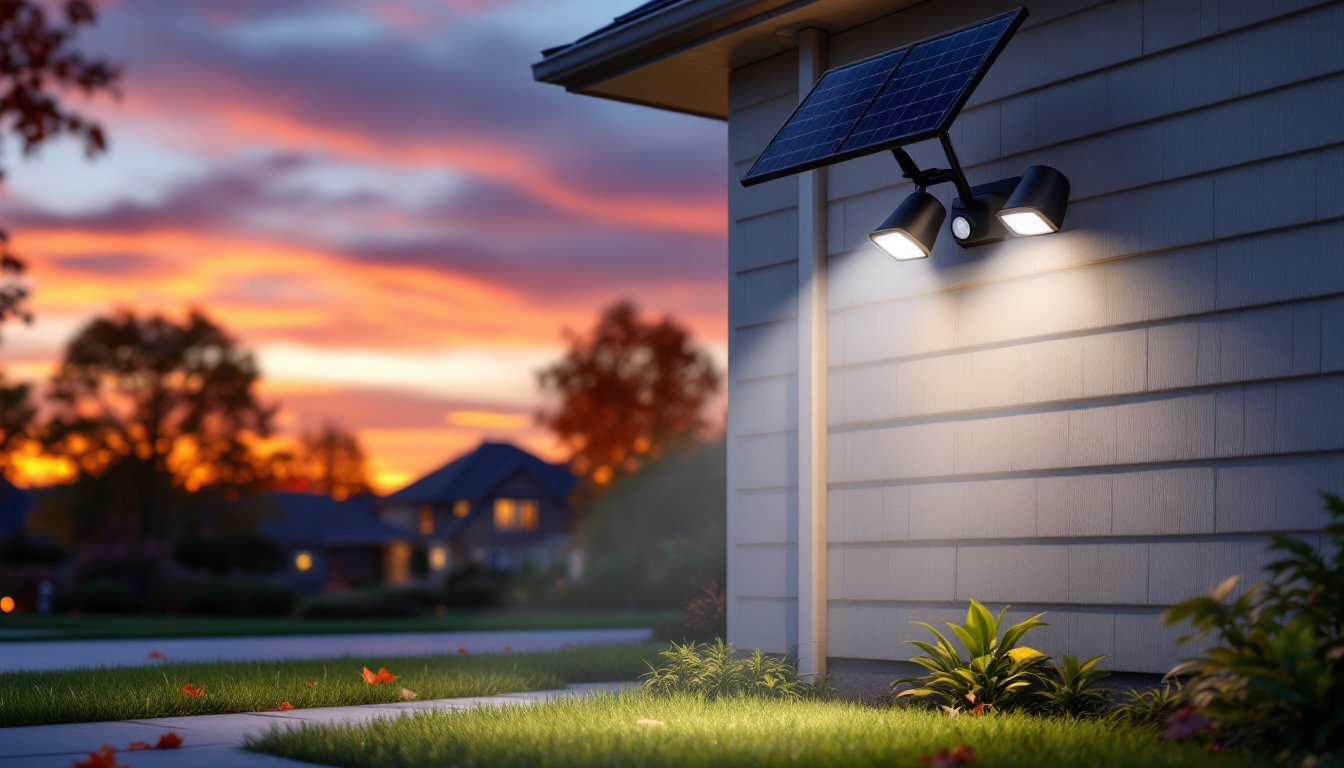
Lighting rewires a living room from forgettable to unforgettable, but most homeowners stop at a ceiling fixture and two table lamps. Modern living room design in 2026 leans on intentional layering, smart controls, and fixtures that double as sculptural focal points. Whether rewiring for recessed cans, adding dimmers, or swapping outdated chandeliers, the right lighting plan balances function and mood. This guide walks through the core strategies, layered systems, statement pieces, architectural accents, and intelligent controls, that turn any living room into a well-lit, flexible space ready for movie nights, entertaining, or focused task work.
Table of Contents
ToggleKey Takeaways
- Modern living room lighting ideas rely on layered lighting—combining ambient, task, and accent tiers—to create flexible, inviting spaces that adapt to any mood or activity.
- Install dimmer switches on every circuit and use recessed cans or statement chandeliers sized using the room-length-plus-width formula to avoid flat, uninviting light.
- Smart bulbs and switches like Philips Hue or Lutron Caséta enable remote color temperature tuning from warm amber (2700K) for relaxation to cool daylight (5000K+) for focused work.
- Accent lighting with LED strips, wall sconces, and picture lights highlights artwork and architectural details, while track lighting provides repositionable heads for flexible task zones.
- Combine hard-wired fixtures with portable arc and table lamps to fill gaps where recessed lighting misses, ensuring proper proportions and matching color temperatures across all sources.
Layered Lighting: The Foundation of Modern Living Room Design
A single overhead fixture might cover square footage, but it won’t solve the problem of flat, uninviting light. Layered lighting combines three tiers: ambient (general illumination), task (focused work light), and accent (drama and depth). Think of ambient as the base layer, recessed cans, flush-mounts, or a central chandelier that puts lumens across the floor plan. Task lighting targets reading nooks, side tables, or desks with directional beams. Accent lighting highlights artwork, architectural details, or built-ins with narrow-beam spots or LED strips.
Start by mapping zones. A typical living room needs ambient coverage of roughly 20 lumens per square foot for comfortable general use. For a 15×20-foot space (300 sq ft), that’s 6,000 lumens total, achievable with six 100-watt-equivalent LED bulbs spread across fixtures. Task areas, reading chairs, desks, benefit from an additional 50 lumens per square foot in that zone. Accent lights should be three times brighter than ambient to create contrast.
Install dimmer switches on every circuit. Lutron Diva or Leviton SureSlide dimmers work with most LED bulbs (check compatibility: not all LEDs dim smoothly). Dimmers let you dial ambient down for movie mode or crank task lights up for board games. If you’re running new wire, code requires 14-gauge for 15-amp circuits, 12-gauge for 20-amp. Consult local electrical code (NEC Article 210) for box fill and AFCI/GFCI requirements: pull permits for any new branch circuits.
Layering isn’t decorative, it’s how pros avoid the harsh, shadowy look of single-source lighting. Done right, a visitor can’t pinpoint where light comes from: the room just feels bright and balanced.
Statement Pendant Lights and Chandeliers
Pendant lights and chandeliers anchor modern living rooms visually and photometrically. A multi-arm sputnik chandelier or a geometric cage pendant serves double duty: ambient fill and conversation piece. Hang pendants 30–36 inches above coffee tables or seating clusters so the fixture clears sight lines when seated. For rooms with 9-foot ceilings, keep the bottom of the fixture at least 7 feet above finished floor to meet code and avoid head strikes.
Size matters. A common formula: add room length and width in feet, convert to inches for fixture diameter. A 12×18-foot room suggests a 30-inch-diameter chandelier (12+18=30). Go larger for open-plan spaces or higher ceilings: undersized fixtures look like afterthoughts. If the living room opens to a dining area, coordinate fixture styles but vary scale to define zones without clashing.
Most chandeliers ship with adjustable downrods or cable. Swap the stock rod for a longer one if your ceiling exceeds 9 feet: distributors sell rods in 6-inch increments up to 10 feet. Always install on a ceiling box rated for the fixture weight, standard 4-inch round boxes hold up to 50 pounds: fan-rated boxes handle heavier loads. If your chandelier weighs more, add blocking between joists and mount a pancake box or fan brace directly to framing.
For a modern edge, consider fixtures that pair sustainable lighting solutions with sculptural design, LED filament bulbs in exposed-socket pendants, or powder-coated metal arms with integrated LED strips. Avoid trendy finishes that date fast: matte black, brushed brass, and aged bronze stay current longer than chrome or polished nickel.
Recessed and Track Lighting for Clean, Minimalist Spaces
Recessed cans disappear into the ceiling plane, making them ideal for minimalist or low-profile interiors. Standard 4-inch or 6-inch housings fit between 16-inch on-center joists: new-construction housings nail to framing before drywall, while remodel (retrofit) cans clip into finished ceilings through a hole saw cut. Use IC-rated housings if insulation contacts the fixture: non-IC cans must maintain a 3-inch clearance from insulation to prevent overheating.
Spacing recessed lights correctly avoids dark patches. A rule of thumb: divide ceiling height by two for spacing intervals. In an 8-foot room, place cans roughly 4 feet apart in a grid. For even wall-washing, position the first row 24–30 inches from the wall. Slope ceilings or vaults? Swap fixed housings for adjustable gimbal trims that aim the beam perpendicular to the floor.
LED retrofit kits, often called “disk lights” or “wafer lights”, install without a traditional can. They mount flush against drywall with spring clips, draw 8–15 watts, and deliver 650–1,000 lumens each. Brands like Halo RL and Commercial Electric offer color-selectable models: twist a switch on the fixture to choose 2700K (warm white), 3000K (neutral), or 4000K (cool) before installation. This flexibility beats swapping bulbs later.
Track lighting offers recessed’s utility with repositionable heads. Modern monorail or cable-rail systems mount to the ceiling, then accept adjustable track heads you slide and lock anywhere along the rail. Perfect for galleries, art walls, or flexible task zones. Most track runs on 120V line voltage fed from a single junction box: low-voltage (12V) systems need an inline transformer. Install track perpendicular to joists for easy blocking, or use toggle anchors rated for 50+ pounds in drywall if joists don’t align. Ensure proper recessed lighting layout to achieve even coverage without hot spots.
Smart Lighting Systems and Color Temperature Control
Smart bulbs, switches, and hubs let you tune intensity and color temperature from a phone, voice assistant, or wall panel. Philips Hue, LIFX, and Nanoleaf bulbs screw into standard E26 sockets and connect via Wi-Fi or Zigbee. Hue requires a bridge plugged into your router: LIFX bulbs connect directly to Wi-Fi. Both support scheduling, grouping (“Living Room” scene), and color tuning from warm amber (2000K) to daylight (6500K).
Color temperature shifts mood. 2700K mimics incandescent warmth, ideal for evening relaxation. 3500–4000K neutral white suits task work or food prep. 5000K+ daylight tones work in home offices but feel clinical in living spaces. Tunable white LEDs let you automate this: warm tones after sunset, cooler light during morning coffee. Pair with motion sensors or sunrise/sunset triggers in your smart-home app.
Smart dimmers and switches control dumb bulbs intelligently. Lutron Caséta, Leviton Decora Smart, and TP-Link Kasa replace standard switches and work with Alexa, Google, or HomeKit. Caséta requires a neutral wire in the box, most homes built after the 1980s have one, but older knob-and-tube installations may not. If no neutral exists, hire an electrician to pull new 14/3 Romex or use a Lutron Caséta Pro switch with Pico remote that doesn’t need neutral.
Integrate smart lighting with the broader connected ecosystem. Many platforms now sync lights to TV content via HDMI or screen-sync dongles, casting ambient color behind the display. Smart home systems continue evolving, with Matter protocol aiming to unify control across brands. For DIYers wary of proprietary ecosystems, stick with Wi-Fi bulbs or Zigbee hubs that support local control and don’t depend on cloud servers.
Accent and Architectural Lighting Techniques
Accent lighting adds depth by highlighting textures, artwork, or built-ins. Picture lights, wall sconces, and LED tape are the workhorses here. Battery-powered LED picture lights clip to frame tops, no wiring, easy repositioning, but corded or hardwired units deliver consistent output. For gallery-style illumination, mount adjustable track heads or recessed eyeball trims 30 degrees off vertical, aiming at the art’s center.
Wall sconces flank fireplaces, frame doorways, or uplight textured stone. Install sconce boxes 60–66 inches above finished floor for eye-level glow: go higher for uplighting tall ceilings. Modern sconces with exposed Edison bulbs or linear LED bars work in contemporary schemes: match metal finishes to door hardware and plumbing fixtures for cohesion. If surface-mounting over drywall, fish 14/2 NM-B cable from an existing switch or junction box, cutting in a new single-gang old-work box at sconce height. Patch, prime, and paint before installing the fixture.
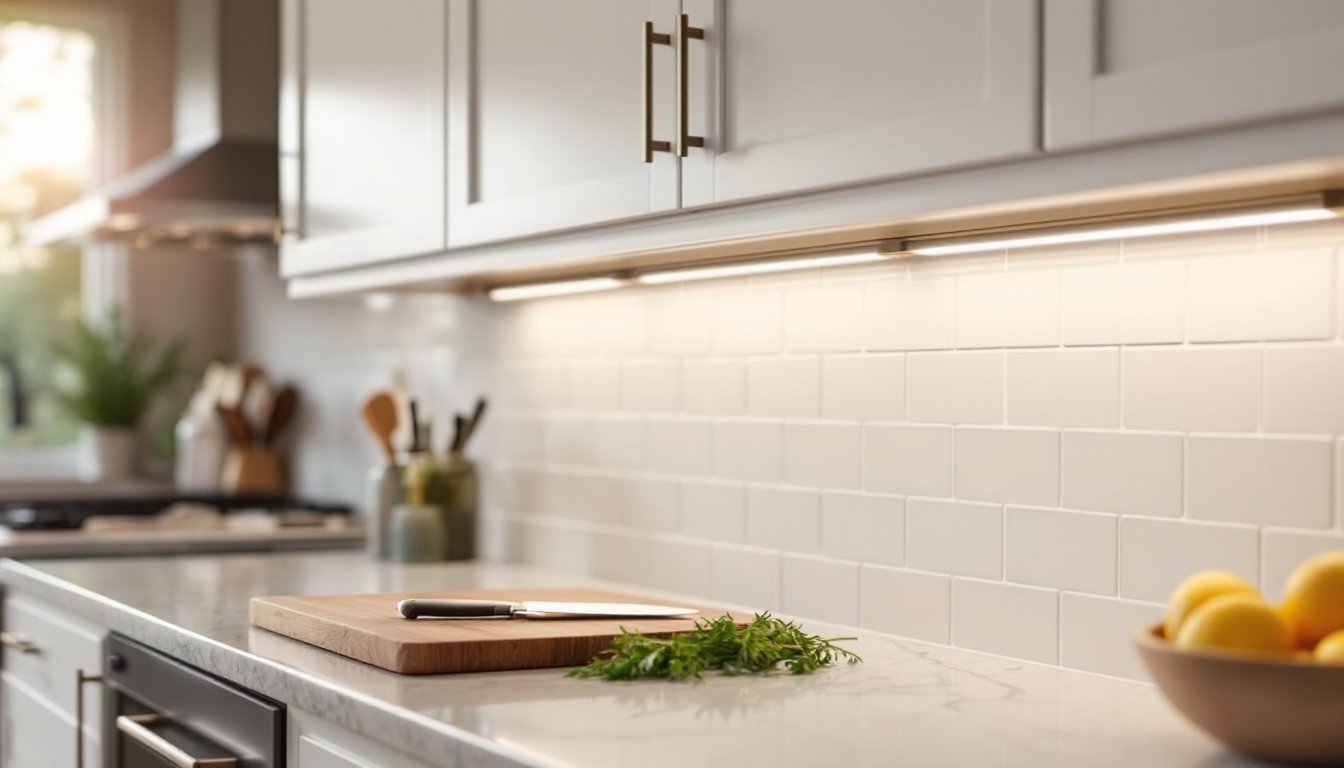
LED strip lighting (tape light) outlines shelves, toe-kicks, or ceiling coves. 12V DC strips require a plug-in transformer: look for UL-listed power supplies sized to total strip wattage plus 20 percent headroom. Adhesive-backed strips stick to clean surfaces, but add aluminum channel for a finished look and better heat dissipation. Channels come in surface-mount, recessed, or corner profiles: diffuser lenses eliminate LED “hot spots” and create a continuous glow. Cut strips only at marked intervals (usually every 2–4 inches), then solder or use solderless connectors to join runs.
Architectural cove lighting, strips hidden in crown molding or soffit recesses, washes ceilings with indirect light. Build a 1×6 or 1×8 poplar ledge 8–12 inches below the ceiling, paint the interior flat white for maximum reflection, and mount strips facing up. Control with dimmers or smart controllers to adjust intensity. Combine this with creative wall decor to layer visual interest alongside illumination.
Floor and Table Lamps as Functional Decor
Portable lamps add flexibility that hard-wired fixtures can’t match. Arc floor lamps reach over sectionals to drop task light where recessed cans miss: tripod and torchiere styles provide ambient uplighting. Weighted bases (15+ pounds for tall arcs) prevent tip-overs, critical if you have kids or pets. Check shade material: linen or cotton diffuses light softly: metal shades focus beams downward for reading.
Table lamps frame sofas, consoles, and end tables. Proportion matters: lamp height (base plus shade) should be 1.5 to 2 times the height of the table. A 24-inch side table suits a 36–48-inch lamp. Shade diameter should be narrower than the table to avoid overhang. Three-way bulbs (50/100/150W equivalent LED) let you toggle intensity without a dimmer: look for Feit or GE three-way LEDs that actually deliver three distinct levels (some cheap imports only do two).
Modern lamps embrace mixed materials: concrete or ceramic bases, brass or matte black stems, fabric or glass shades. Industrial cage lamps and minimalist cylinder shades suit contemporary interiors: organic shapes (teardrop bases, woven rattan shades) soften mid-century or Scandi schemes. If the lamp cord snakes across the floor, secure it with flat cord covers or adhesive cable clips to prevent tripping.
Plug-in dimmer modules, inline cord dimmers or smart plugs, add control to any lamp. Lutron plug-in dimmers cost under $15 and work with dimmable LEDs: smart plugs like Kasa or Wemo enable remote on/off and scheduling. Group several lamps on one smart plug or use individual plugs for zone control. For a cohesive look, match bulb color temperature across all lamps in the room: mixing 2700K and 5000K creates a disjointed feel. Resources like design inspiration from Dwell showcase how pros balance portables with permanent fixtures.
Conclusion
Modern living room lighting is more carpenter than curator, measure twice, wire once, and layer strategically. Combining recessed ambient, statement pendants, smart controls, and portable task lamps creates a flexible system that adapts to any activity or mood. Safety gear (goggles, voltage tester, wire strippers) and respect for electrical code aren’t optional: neither is turning off power at the breaker before touching any wiring. Start with a lighting plan on graph paper, budget for dimmers and quality LEDs, and don’t skip the blocking or proper box ratings. Done right, the payoff is a living room that looks sharp at noon and feels inviting at midnight.