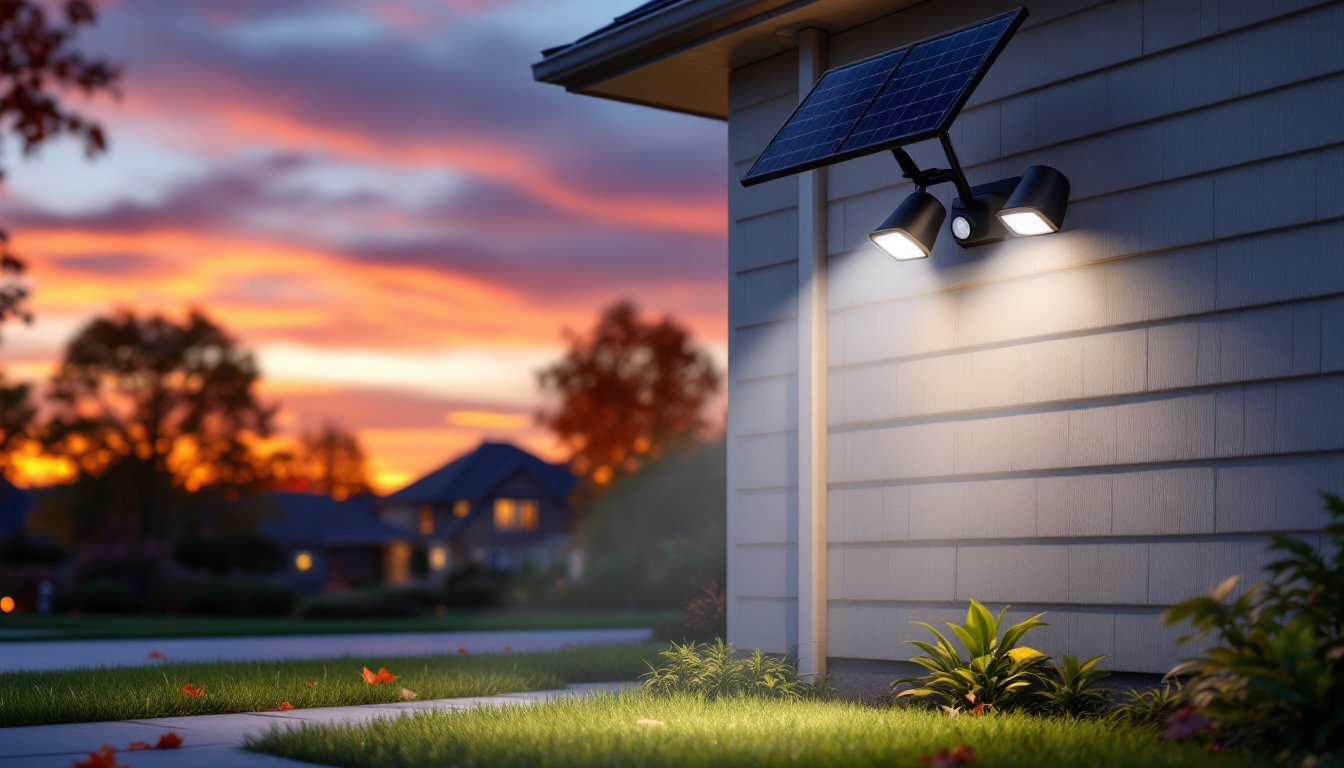
Aurora outdoor lighting has built a solid reputation among homeowners who want reliable, energy-efficient yard illumination without the hassle of constant maintenance. If you’ve been eyeing those dim corners of your property or wishing your deck looked more inviting after dark, Aurora’s LED fixtures offer a practical path forward. This brand combines durability with modern LED technology, giving DIYers and professionals alike a range of options that won’t require rewiring every few years. Whether you’re highlighting garden beds, lighting a pathway, or adding ambiance to an outdoor living space, Aurora fixtures deliver consistent performance in wet weather and temperature swings.
Table of Contents
ToggleKey Takeaways
- Aurora outdoor lighting uses low-voltage LED technology that consumes 75% less energy than traditional halogen fixtures, reducing your electric bill over time.
- Aurora fixtures are built with durable materials like die-cast aluminum and powder-coated finishes to withstand harsh weather, salt air, and temperature swings down to -20°F.
- Low-voltage systems are safer for DIY installation, require no electrical permit in most areas, and allow cable burial at just 6 inches deep without conduit.
- Path lights, spotlights, and deck fixtures offer flexible design options; layer multiple light sources at different heights and angles to create professional-looking landscape lighting.
- Proper transformer sizing and cable management are critical—multiply total fixture wattage by 1.2 to determine the right transformer capacity, and keep cable runs under 100 feet to avoid voltage drop.
- Seasonal adjustments and smart controls let you customize Aurora outdoor lighting throughout the year, and minimal maintenance keeps the set-and-forget system reliable for 10 to 20 years.
What Is Aurora Outdoor Lighting?
Aurora is a lighting manufacturer specializing in low-voltage LED outdoor fixtures designed for residential and commercial landscapes. The company focuses on energy efficiency, weather resistance, and long-life LED modules that reduce the need for bulb replacements.
Most Aurora outdoor products run on 12-volt or 24-volt systems, which require a transformer to step down your home’s standard 120-volt AC power. This lower voltage is safer to work with for DIY installations and reduces the risk of electrical shock if a wire gets nicked by a shovel. It also allows for more flexible cable routing through garden beds and along pathways without the need for conduit in many jurisdictions (though always check local codes).
Aurora fixtures typically use integrated LED modules rather than replaceable bulbs. This design improves waterproofing and heat management but means the entire fixture may need replacement at end-of-life, usually 25,000 to 50,000 hours depending on the model. That translates to roughly 10 to 20 years of nightly use, which beats swapping halogens every season.
Key Benefits of Aurora Outdoor Lighting for Your Home
Energy efficiency is the headliner. LED technology uses about 75% less energy than traditional incandescent landscape lighting. A typical Aurora path light draws 2 to 4 watts, compared to 20 watts for an older halogen equivalent. Over a year, that difference adds up on your electric bill, especially if you’re lighting a long driveway or large yard.
Durability in harsh conditions sets Aurora apart from cheaper plastic alternatives. Many models feature die-cast aluminum or brass housings with powder-coated finishes that resist corrosion from salt air, sprinkler overspray, and UV exposure. Gasket-sealed lenses keep moisture out of the electrical components. If you live in a freeze-thaw climate, look for fixtures rated for temperatures down to -20°F or lower.
Low-voltage safety makes installation more approachable for homeowners. You won’t need a permit in most areas for 12V landscape lighting (verify with your local building department), and the risk of serious shock is minimal. You can bury direct-burial rated cable 6 inches deep in most residential zones without conduit, though some codes require 12 inches or conduit if the run crosses under driveways.
Design flexibility is another win. Aurora offers a range of color temperatures, usually 2700K (warm white) for traditional ambiance or 3000K to 4000K (neutral white) for task lighting on stairs and walkways. Some lines include RGB or tunable white options for seasonal color changes, though those typically require compatible controllers.
Maintenance is minimal once the system is up and running. Unlike incandescent or halogen fixtures that need bulb swaps and alignment checks, Aurora LEDs are set-and-forget for years. You’ll mainly brush off leaves, rinse lenses occasionally, and check wire connections if a fixture goes dark.
Popular Aurora Outdoor Lighting Products and Styles
Path Lights and Landscape Spotlights
Aurora path lights typically stand 18 to 24 inches tall with ground stakes for installation in soil or mulch. These fixtures cast a downward pool of light, illuminating walkways without glare at eye level. Look for models with adjustable lumen output (often 50 to 200 lumens) so you can dial in the right brightness for spacing. A good rule: space path lights 8 to 10 feet apart for consistent coverage on a 3-foot-wide walkway.
Landscape spotlights are low-profile fixtures (usually 4 to 6 inches tall) that direct a focused beam upward or across a feature, think tree trunks, architectural details, or stone walls. Aurora spotlights often include adjustable beam angles (10° to 60°) and swivel mounts. Use narrow beams (10° to 25°) for tall trees and wide beams (40° to 60°) for broad shrubs or wall washing. Techniques used in effective landscape lighting involve layering multiple light sources at different heights and angles to avoid flat, one-dimensional illumination.
Both product types usually come with detachable ground stakes or surface-mount bases. If you’re installing in hardscape (pavers, gravel, concrete), order the surface-mount adapter and use tapcon screws or construction adhesive rated for outdoor use.
Wall Sconces and Deck Lighting
Aurora wall sconces mount to exterior siding, stucco, or masonry and provide both task lighting (near doorways, garage entries) and accent lighting for architectural features. Most models require a standard junction box and 120V line-voltage wiring, so this is where you’ll need basic electrical skills or a licensed electrician if you’re not comfortable working inside a breaker panel.
When mounting sconces, aim for 60 to 66 inches above the finished grade for flanking a front door, and ensure the backplate has a foam gasket or silicone bead to prevent water intrusion behind the fixture. If you’re attaching to vinyl siding, use a mounting block (a small PVC or composite trim piece) to create a flat, sealed surface.
Deck lighting from Aurora includes recessed step lights, post-cap fixtures, and under-rail strips. Recessed step lights install into a 2-inch hole drilled through the riser or tread and require a flush-mount housing. These are ideal for code-compliant stair illumination, many jurisdictions require a light source within 3 feet of the top and bottom of outdoor stairs.
Post-cap lights sit atop 4×4 or 6×6 deck posts and add a finished look while marking the deck perimeter. Aurora’s post caps often include integrated solar panels for off-grid operation, though wired versions deliver more consistent brightness. Under-rail LED strips run along the bottom of handrails or beneath the top rail and provide a continuous glow. These strips typically come in 10-foot or 16-foot reels and can be cut to length at designated points (marked every 6 inches or so). Use aluminum channels to protect the strip and diffuse the light evenly.
Installation Tips for Aurora Outdoor Lighting Systems
Start with a lighting plan. Walk your property at night with a flashlight or smartphone to test placement ideas. Mark fixture locations with spray paint or stakes. Measure cable runs and count fixtures so you can size your transformer correctly, add up the wattage of all fixtures and multiply by 1.2 to allow headroom. A 150-watt transformer handles about 125 watts of fixtures comfortably.
Transformer placement matters. Mount it on an exterior wall near a GFCI-protected outlet, ideally within 10 feet of the first fixture to minimize voltage drop on the home run. The transformer should be at least 12 inches above grade to keep it out of splash zones and mulch piles. If you’re running multiple zones (e.g., front yard and backyard), choose a transformer with multiple output taps or install separate transformers.
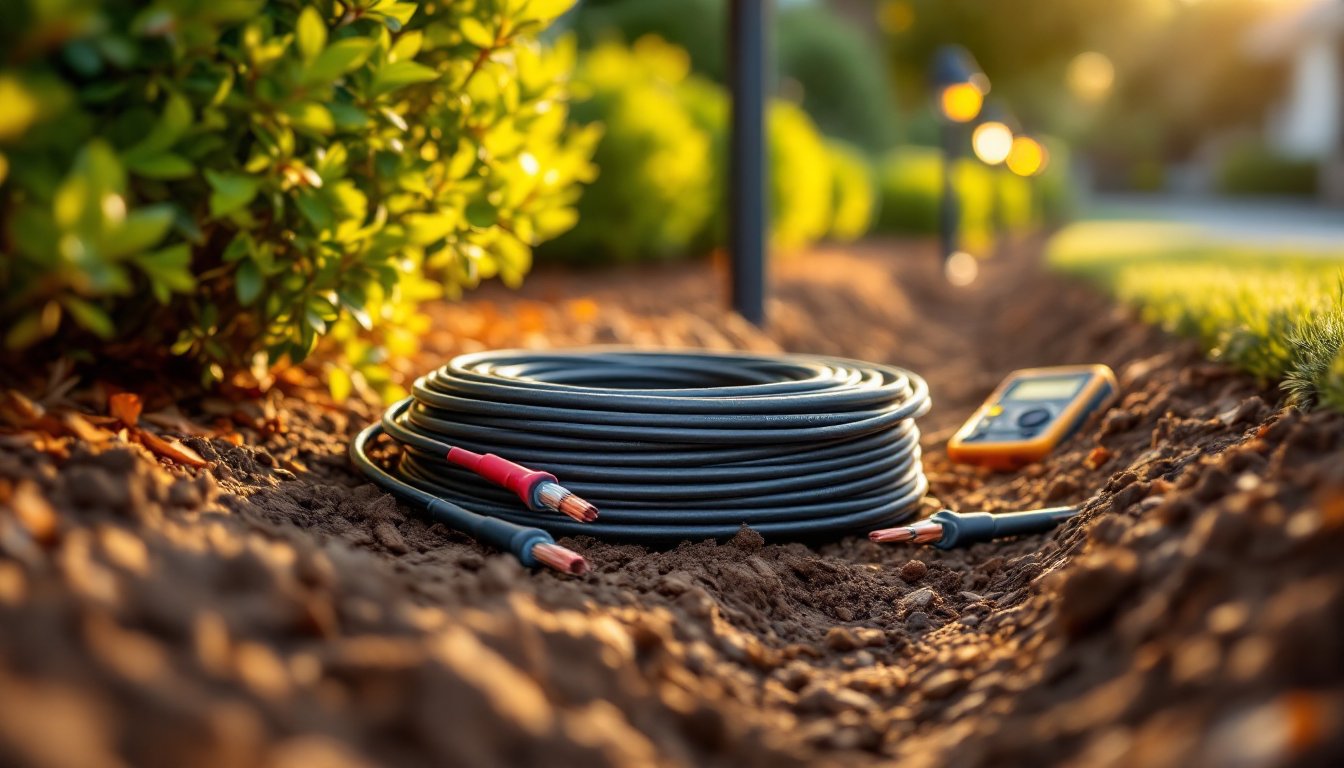
Lay out your low-voltage cable (typically 12- or 14-gauge stranded copper) along the planned route before digging. Run a single main line from the transformer, then branch to individual fixtures using waterproof wire connectors (twist-on caps filled with dielectric grease or heat-shrink butt splices rated for direct burial). Avoid daisy-chaining too many fixtures on one run, voltage drop accumulates, and fixtures at the end of a long run may appear dim. Keep runs under 100 feet or use heavier 10-gauge cable for longer distances.
When burying cable, dig a 6-inch trench in soft soil or mulch beds. If crossing a lawn, use a flat spade to slice a narrow trench, lay the cable, and press the sod back down. For paths under driveways or sidewalks, either bore under with a length of PVC conduit or run the cable through schedule 40 PVC conduit if code requires it. Outdoor track lighting systems often share similar low-voltage wiring techniques, especially when multiple fixtures connect to a single transformer.
Fixture mounting varies by type. Ground-stake lights push directly into soil, press straight down and twist slightly to seat the stake. If the ground is hard clay or rocky, pre-drill a pilot hole with a steel rod or rebar. Surface-mount spotlights bolt to pavers or concrete: drill holes with a masonry bit, tap in plastic anchors, and secure with stainless steel screws.
Safety gear: Wear safety glasses when drilling masonry or cutting cable, and use work gloves to protect hands from sharp edges on metal fixtures. If you’re working near overhead power lines or digging deeper than 12 inches, call 811 (the national “call before you dig” hotline) to have utilities marked.
Test each fixture before burial. Connect it to the transformer, power on, and confirm it lights up. Adjust beam angles and tighten set screws. Once everything works, bury the cable and backfill trenches.
Most Aurora transformers include a built-in timer or photocell. Set the timer to turn lights on at dusk and off at a set hour (midnight or 1 a.m. is common) to save energy. Photocells automatically sense ambient light and switch on when darkness falls, but they can be fooled by nearby streetlights or porch lights, position the sensor where it sees open sky.
Design Ideas to Maximize Your Aurora Lighting Setup
Layer your lighting to avoid the “landing strip” effect. Combine path lights (for safety), spotlights (for drama), and ambient fixtures (for overall glow). For example, line a walkway with path lights spaced 8 feet apart, uplight a specimen tree with a 10° spotlight, and add a wall sconce at the entry door.
Highlight focal points rather than flooding everything. A single well-placed spotlight on a Japanese maple or architectural column creates more impact than a dozen scattered fixtures. Aim the beam from below or the side to emphasize texture and depth. Avoid pointing lights directly at windows or neighbors’ properties, dark-sky friendly design minimizes light pollution and glare.
Use color temperature strategically. Warm white (2700K) suits traditional landscapes and colonial or craftsman homes. Cooler white (3000K to 4000K) complements modern architecture and enhances greens and blues in plantings. Don’t mix temperatures in the same viewing zone, it looks disjointed.
Integrate smart controls if you want flexibility. Many smart home systems now support low-voltage landscape lighting through Wi-Fi or Zigbee transformers. You can create scenes (“Dinner Party,” “Security Mode,” “Pathway Only”) and control brightness from a phone app. Some Aurora-compatible controllers allow dimming and scheduling by zone.
Seasonal adjustments keep things fresh. In winter, uplight evergreens and architectural features. In spring and summer, shift focus to flower beds and seating areas. Swap out path lights for spotlights as plantings mature and require different emphasis.
Budget for growth. If you’re installing a new landscape, plan lighting zones for future plantings. Run an extra cable loop or two during initial installation, it’s far easier than trenching through established beds later. According to cost planning guides, outdoor lighting projects range from a few hundred dollars for basic path lights to several thousand for whole-property systems with smart controls and architectural fixtures.
Maintenance schedule: Once a season, walk the property at night, check for burned-out fixtures (rare with LEDs, but transformers and connectors can fail), and clean lenses with a soft cloth and mild detergent. Trim back overgrown plants that block beams. Every few years, inspect wire connections for corrosion, green oxidation on copper is normal outdoors, but white or crusty buildup indicates moisture intrusion. Re-seal with fresh dielectric grease and heat-shrink tubing if needed.
Aurora outdoor lighting strikes a practical balance between performance and DIY-friendliness. With a solid plan, attention to voltage drop, and thoughtful fixture placement, homeowners can achieve professional-looking results without the pro-level price tag.