When ceiling clearance is tight or you need targeted task lighting without visual clutter, 2 inch LED recessed lights deliver. These compact fixtures, sometimes called ultra-slim or wafer lights, fit into spaces where standard 4 or 6 inch cans won’t, making them ideal for shallow ceiling cavities, remodels, and tight spots like closets or hallways. They’ve surged in popularity as LED technology has improved, offering respectable lumen output in a surprisingly small footprint. This guide walks through what makes 2 inch recessed lighting different, where it works best, how to choose the right fixtures, and how to install them safely and correctly.
Table of Contents
ToggleKey Takeaways
- 2 inch LED recessed lighting fits in tight ceiling spaces as shallow as half an inch, making it ideal for remodels, closets, hallways, and rooms where standard 4-6 inch cans won’t fit.
- 2 inch recessed lights use only 6-12 watts while producing 400-650 lumens, cutting energy costs significantly compared to older 50-watt halogen alternatives.
- Choose between wafer-style retrofit models for existing ceilings or IC-rated housings for new construction, and verify dimmer compatibility with your specific fixture before installation.
- Plan spacing at 4-5 feet apart in hallways and closets, use a stud finder to avoid joists and wiring, and always test the circuit before sealing drywall to prevent costly repairs.
- Select the right color temperature (2700K for warmth, 3500-4000K for balance, 5000K+ for task areas) and beam angle (25-60° for accent, 60°+ for ambient lighting) based on your room’s function.
- Avoid common mistakes like using non-IC-rated fixtures near insulation, overloading circuits, ignoring ceiling obstructions, and choosing incompatible dimmers—these can create safety hazards and code violations.
What Is 2 Inch LED Recessed Lighting?
A 2 inch LED recessed light refers to the diameter of the fixture’s trim opening, typically measuring between 2 and 2.5 inches. Unlike traditional recessed cans that require 4 to 6 inches of ceiling depth, most 2 inch LED fixtures are wafer-style or ultra-thin, designed to fit in cavities as shallow as half an inch to one inch.
These lights come in two main installation types:
- Retrofit/wafer models: Mount directly to drywall with integrated spring clips. No housing can required. Ideal for remodels.
- New construction housings: Shallow IC-rated (insulation contact) or non-IC cans designed for framing before drywall goes up.
Most 2 inch LEDs are integrated, meaning the LED module is built into the fixture rather than using a replaceable bulb. Lifespan typically ranges from 25,000 to 50,000 hours, and most fixtures draw between 6 and 12 watts while producing 400 to 650 lumens.
Because of their size, they’re best suited for accent lighting, task zones, or supplemental illumination rather than primary overhead lighting in large rooms.
Benefits of Choosing 2 Inch LED Recessed Lights
Minimal ceiling clearance needed. If you’re working with a ceiling that has only 1 to 2 inches of space above the drywall, common in basements, condos, or homes with radiant heating, 2 inch wafer lights install where standard cans physically can’t.
Low profile and discreet. The smaller trim blends into ceilings more subtly than larger fixtures, which is useful in modern or minimalist interiors where you want light, not hardware.
Energy efficient. LED technology means these fixtures use a fraction of the power compared to old halogen puck lights. A typical 2 inch LED uses about 8 watts and replaces a 50-watt halogen, cutting energy costs significantly over time.
Easier retrofits. Installing a wafer-style 2 inch light often requires only a 2.25 to 2.5 inch hole saw and access to a junction box or existing wire. No need to wrestle with bulky housings in a cramped attic.
Dimmable options widely available. Most 2 inch LEDs work with standard TRIAC dimmers, though compatibility varies by model. Always check the manufacturer’s spec sheet and test with your dimmer to avoid flicker.
IC-rated models exist. If you’re installing in direct contact with insulation, choose an IC-rated fixture to meet fire safety codes and prevent overheating.
Where to Use 2 Inch Recessed Lighting in Your Home
Hallways and corridors. Space fixtures every 4 to 6 feet for even, shadow-free lighting. The low profile keeps narrow halls from feeling cluttered.
Closets. A single 2 inch light centered over the closet rod provides clear visibility without taking up valuable shelf clearance. Make sure the fixture is at least 12 inches from stored clothing per NEC guidelines to reduce fire risk.
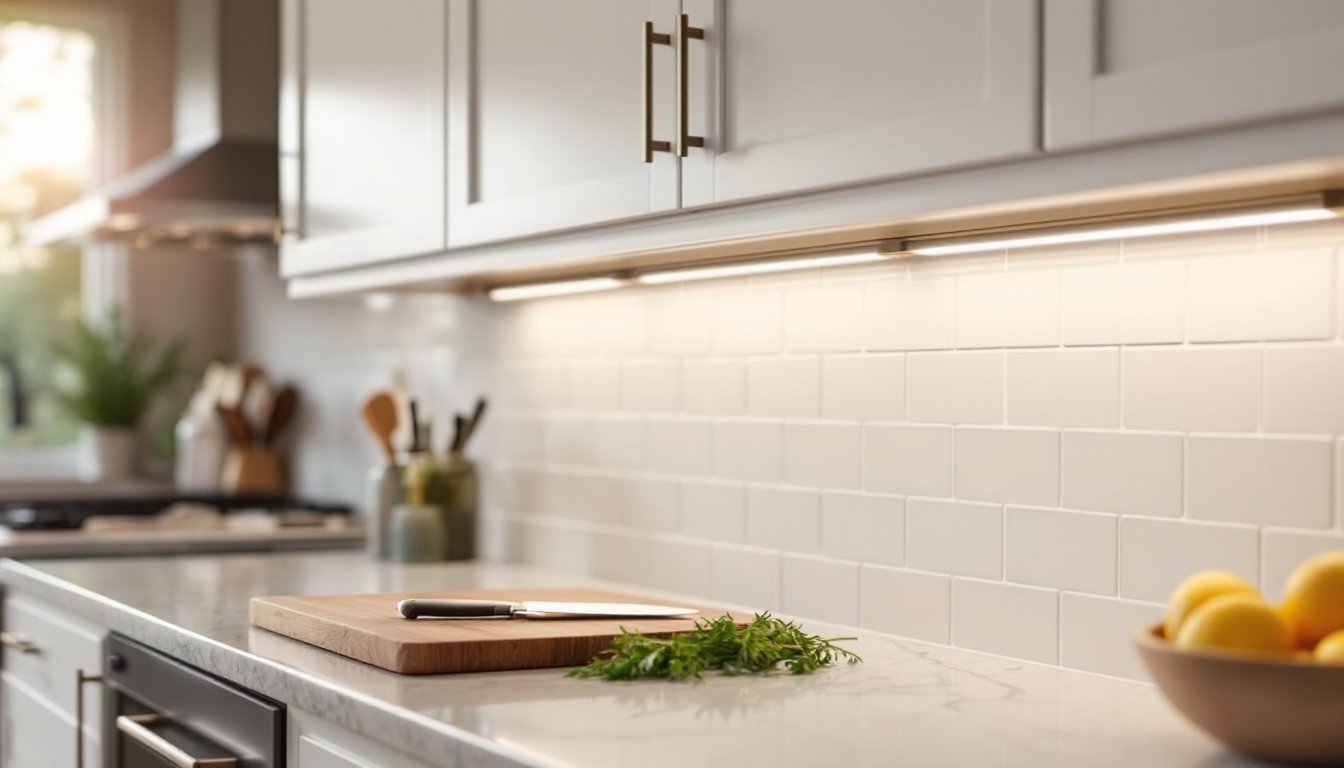
Under-cabinet task lighting. While puck lights and LED strips are common, recessed 2 inch lights mounted in the underside of upper cabinets offer a cleaner look. Use them over countertops, desks, or workbenches.
Accent lighting. Highlight artwork, niches, or architectural features. Adjustable gimbal trims let you angle the beam where you need it.
Bathrooms. Pair them with larger overhead fixtures for vanity task lighting or shower zones. Choose wet-rated or damp-rated fixtures depending on placement. Direct shower installation requires a wet-rated fixture and GFCI protection.
Kitchens. Use 2 inch lights for strategic task lighting in pantries, above sinks, or inside glass-front cabinets. They’re not bright enough to serve as the sole source of light in a full kitchen but work well as supplemental fixtures.
Staircases. Install one fixture per tread or every other step for safe, code-compliant illumination. Low-voltage versions are available for extra safety in damp basements.
How to Choose the Right 2 Inch LED Recessed Lights
Check your ceiling depth first. Measure from the drywall to the structural deck or insulation. If you have less than 2 inches, a wafer or ultra-slim retrofit is your only option. For new construction with standard joist bays, you can use shallow IC-rated housings.
Match the trim style to the application. Common options include:
- Fixed round or square trims: Clean, flush look. Best for general lighting.
- Adjustable gimbal trims: Tiltable, useful for accent or directional lighting.
- Shower/wet-rated trims: Sealed lens, suitable for direct water exposure.
Verify dimming compatibility. Not all 2 inch LEDs dim smoothly. Check the product specs for a list of compatible dimmers. Lutron and Leviton publish compatibility charts that home tech reviewers often reference when testing new fixtures.
Look for beam angle. Most 2 inch LEDs have a narrow to medium beam spread (25° to 60°). Wider beams (60°+) work better for ambient lighting: narrower beams suit accent tasks.
Consider CRI (Color Rendering Index). A CRI of 80 or higher is standard, but for closets, bathrooms, or any space where color accuracy matters, aim for 90+.
Color Temperature and Brightness
Color temperature is measured in Kelvin (K) and affects the mood and function of a space:
- 2700K to 3000K (warm white): Cozy, residential feel. Best for bedrooms, living areas, and dining spaces.
- 3500K to 4000K (neutral white): Balanced, versatile. Works well in kitchens, bathrooms, and offices.
- 5000K+ (daylight/cool white): Crisp and energizing. Ideal for garages, workshops, and task-heavy zones.
Brightness for 2 inch fixtures typically ranges from 400 to 650 lumens. For reference:
- 400–500 lumens: Sufficient for accent lighting, closets, or hallways.
- 550–650 lumens: Better for task lighting or smaller rooms where the fixture is the primary source.
If you’re replacing halogen pucks, a 50-watt halogen produces roughly 400 lumens, so an LED in the same range will feel similar.
For planning layout and spacing, where to place recessed fixtures depends on ceiling height and desired light levels. A good rule of thumb: space 2 inch lights 4 to 5 feet apart for even coverage in hallways or closets.
Step-by-Step Installation Guide for 2 Inch LED Recessed Lights
Safety first. Turn off power at the breaker and verify it’s off with a non-contact voltage tester. Wear safety glasses and a dust mask if cutting drywall.
Tools and Materials
- 2 inch hole saw (typically 2.25″ or 2.5″ depending on fixture)
- Stud finder (to avoid joists and wiring)
- Wire stripper and wire nuts (or push-in connectors)
- Drywall saw or reciprocating saw (if needed for adjustments)
- Fish tape or wire snake (for running new wire)
- Junction box (if required by fixture or code)
- Voltage tester
Installation Steps
-
Plan fixture locations. Mark ceiling positions with a pencil. Use a stud finder to confirm you’re not drilling into joists, plumbing, or existing wiring. Leave at least 6 inches from walls for balanced lighting.
-
Cut the holes. Drill pilot holes first to check for obstructions. Then use a hole saw to cut clean openings. Go slow to avoid chipping drywall edges.
-
Run wiring (if new installation). Most jurisdictions require 14/2 or 12/2 NM-B (Romex) on a 15A or 20A circuit. Follow NEC guidelines: secure cable every 4.5 feet and within 12 inches of boxes. If you’re unsure about running wire through joists or making connections inside walls, hire a licensed electrician. Electrical work often requires a permit and inspection.
-
Make electrical connections. Pull cable through the hole. If the fixture has an integrated junction box, strip wires and connect:
- Black (hot) to black
- White (neutral) to white
- Bare copper (ground) to green or bare ground wire
Use wire nuts or push-in connectors rated for the wire gauge. Some wafer lights come with a quick-connect plug, follow manufacturer instructions.
-
Install the fixture. For wafer-style lights, push the fixture into the hole and engage the spring clips. They’ll snap against the back of the drywall, holding the light flush. For housings, secure the can to the ceiling joists with the provided brackets before installing the trim.
-
Test the circuit. Restore power and flip the switch. Check for proper operation and dimming function if applicable.
-
Adjust and finish. Rotate trim rings to align seams or logos. If using gimbal trims, aim the light where needed.
Note: Some retrofit kits allow daisy-chaining multiple fixtures on one circuit, but verify wire gauge and circuit capacity. A 15A circuit can typically handle twelve to fifteen 8-watt LED fixtures safely, but always check local code and manufacturer specs.
Common Mistakes to Avoid When Installing 2 Inch Recessed Lighting
Using non-IC-rated fixtures in contact with insulation. This is a fire hazard and a code violation. If insulation is present, choose an IC-rated fixture. Non-IC fixtures must have at least 3 inches of clearance from insulation.
Overloading a circuit. Adding multiple lights to an existing circuit without checking the load can trip breakers or create a fire risk. Calculate total wattage and confirm it stays below 80% of the circuit’s rated capacity (e.g., 1,440 watts on a 15A, 120V circuit).
Ignoring ceiling obstructions. Ductwork, pipes, blocking, and wiring often hide above drywall. Always drill a small pilot hole and check with a wire or inspection camera before cutting the full opening.
Choosing the wrong beam angle or color temperature. A 25° spot in a hallway creates harsh shadows. A 5000K fixture in a bedroom feels clinical. Test a single fixture before committing to a dozen.
Skipping the dimmer compatibility check. Plugging an incompatible LED into a standard dimmer can cause buzzing, flickering, or shortened lifespan. Match the fixture to a compatible dimmer listed on the spec sheet. Home improvement experts consistently flag this as a top DIY wiring mistake.
Forgetting to account for junction box requirements. Some wafer lights have integrated j-boxes: others require a separate accessible box. Check local code. In many areas, all electrical connections must be made in a listed, accessible junction box.
Installing fixtures too close together or too far apart. Too close and you waste fixtures: too far and you get dark spots. Use the ceiling height ÷ 2 rule as a starting point for spacing, then adjust based on room size and light output.
Not testing the circuit before sealing everything up. Always energize and test each fixture before patching drywall, painting, or installing trim. Fixing a wiring mistake after the fact is a headache.
Assuming all 2 inch LEDs are the same. Quality varies widely. Cheap fixtures may have poor color consistency, short lifespans, or inadequate heat sinking. Stick with recognized brands and check for UL or ETL listings to ensure the fixture meets safety standards.